2019-The Year in Travel

Featured

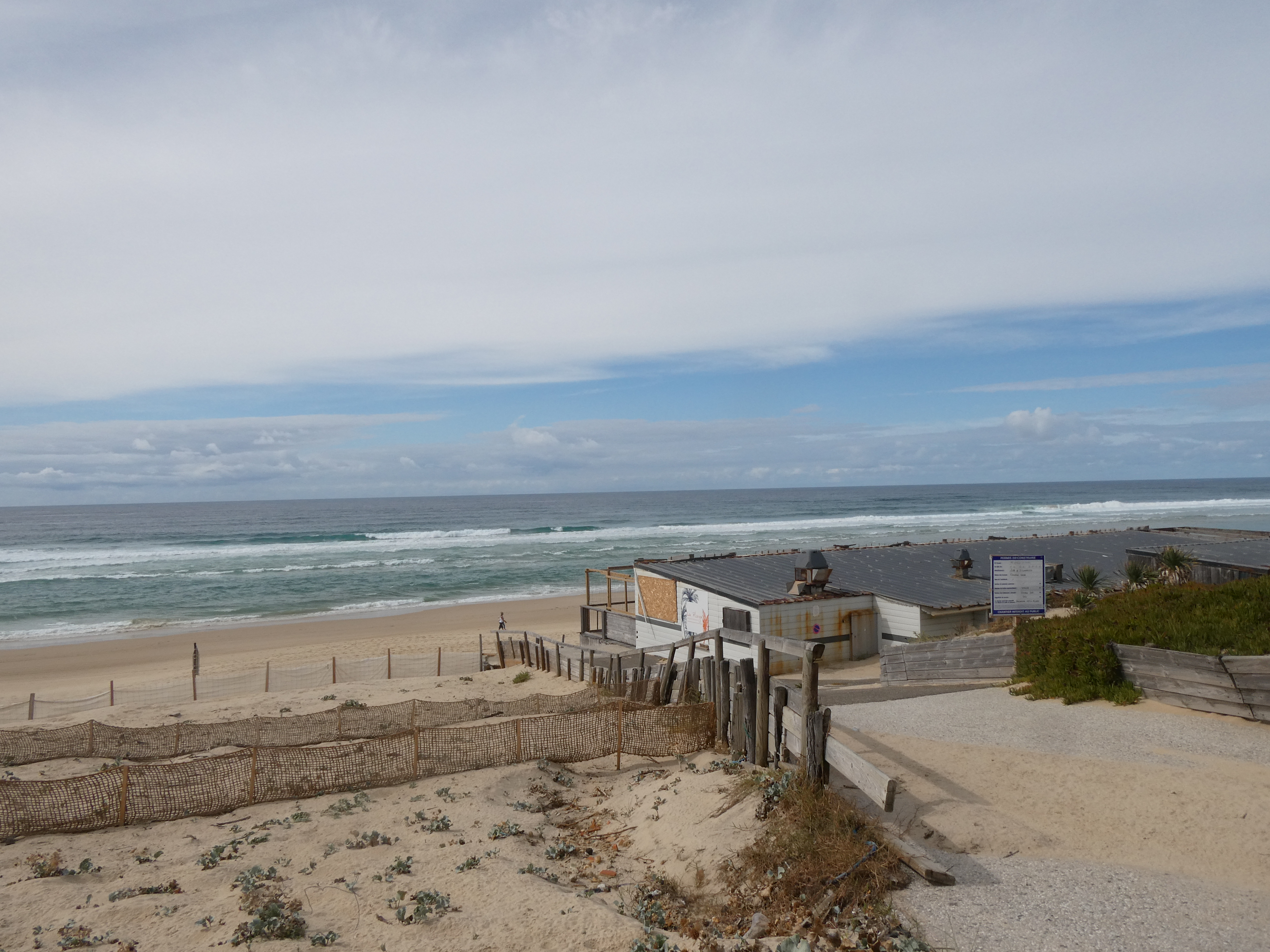
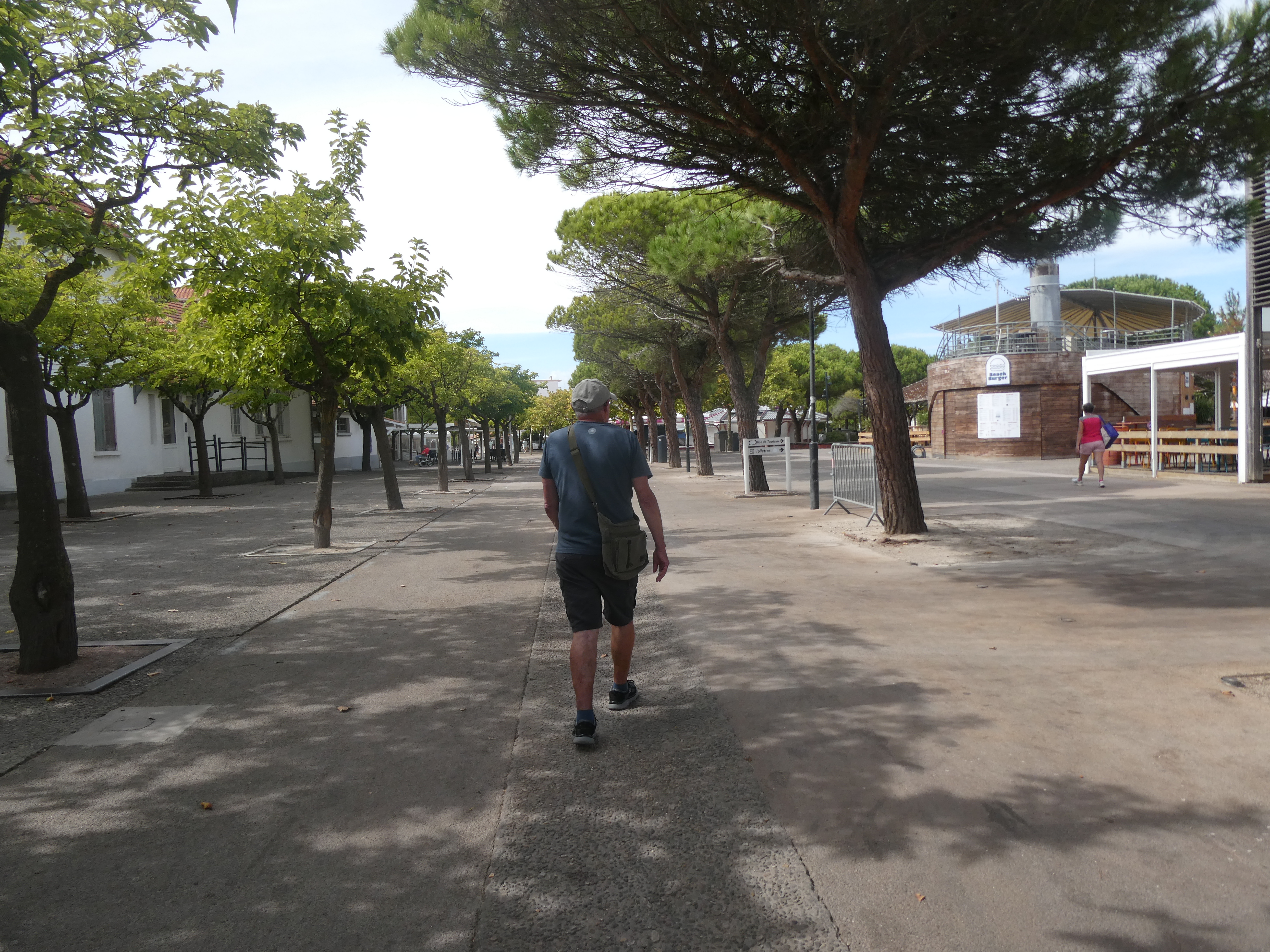
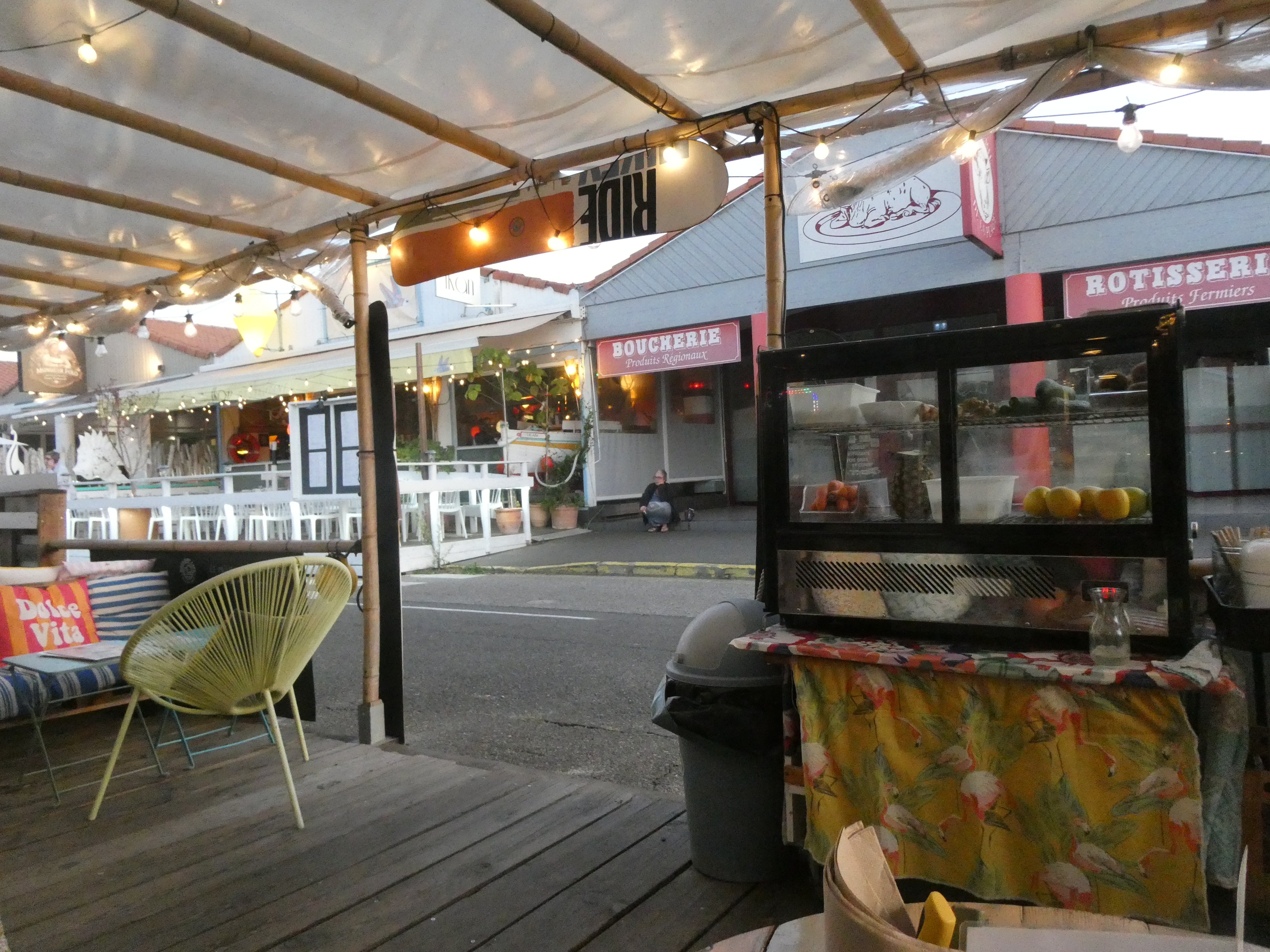
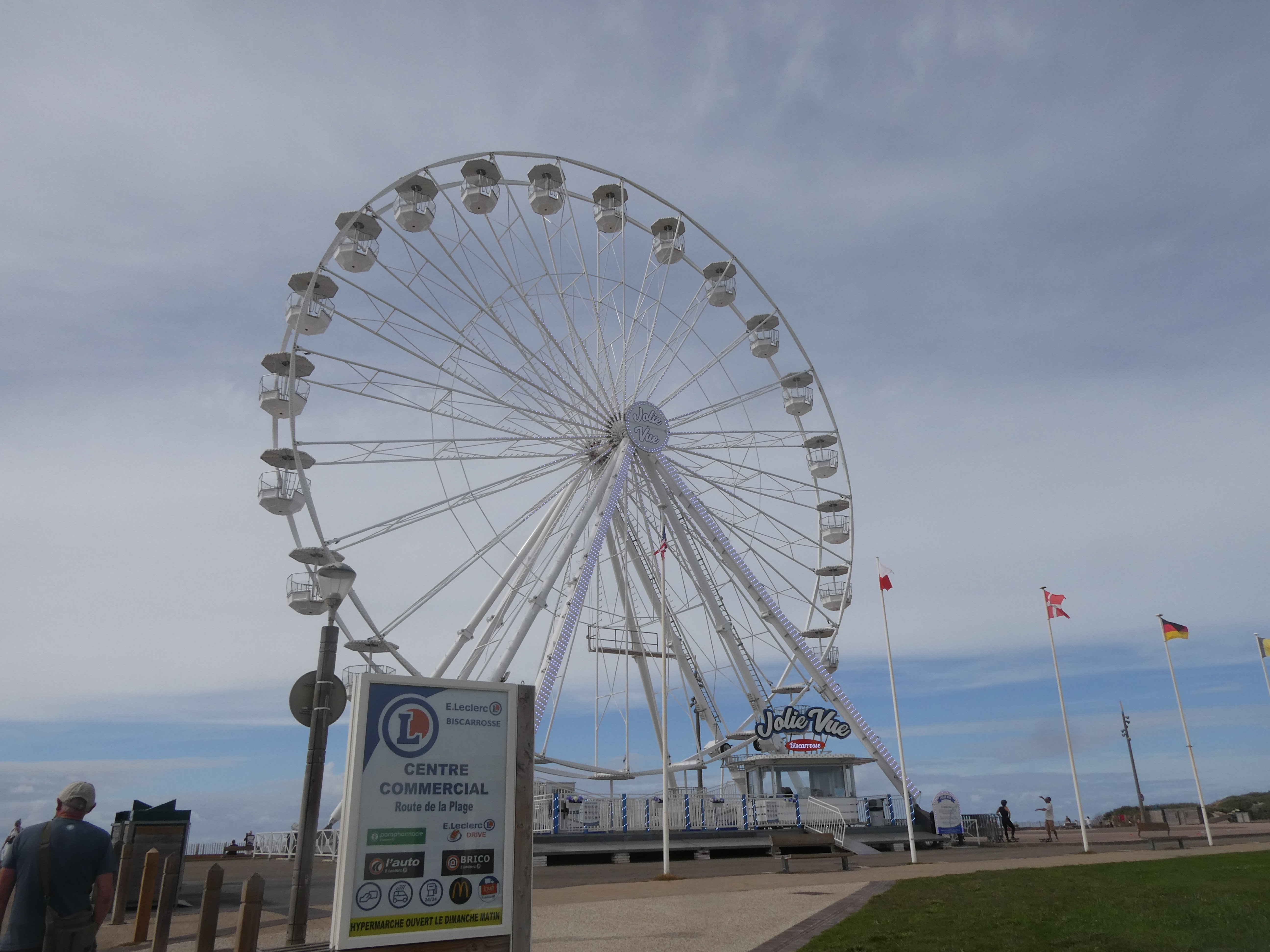
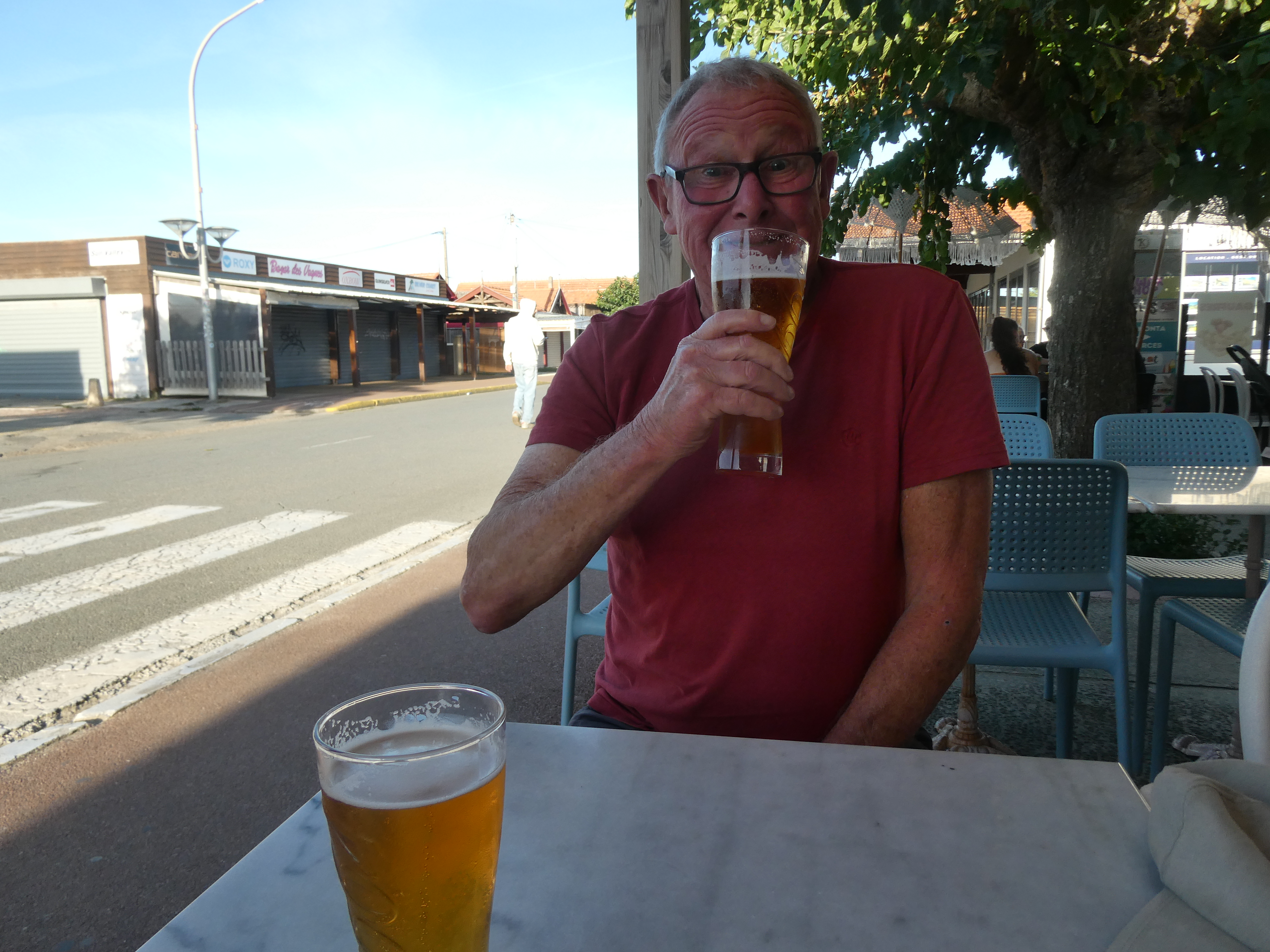
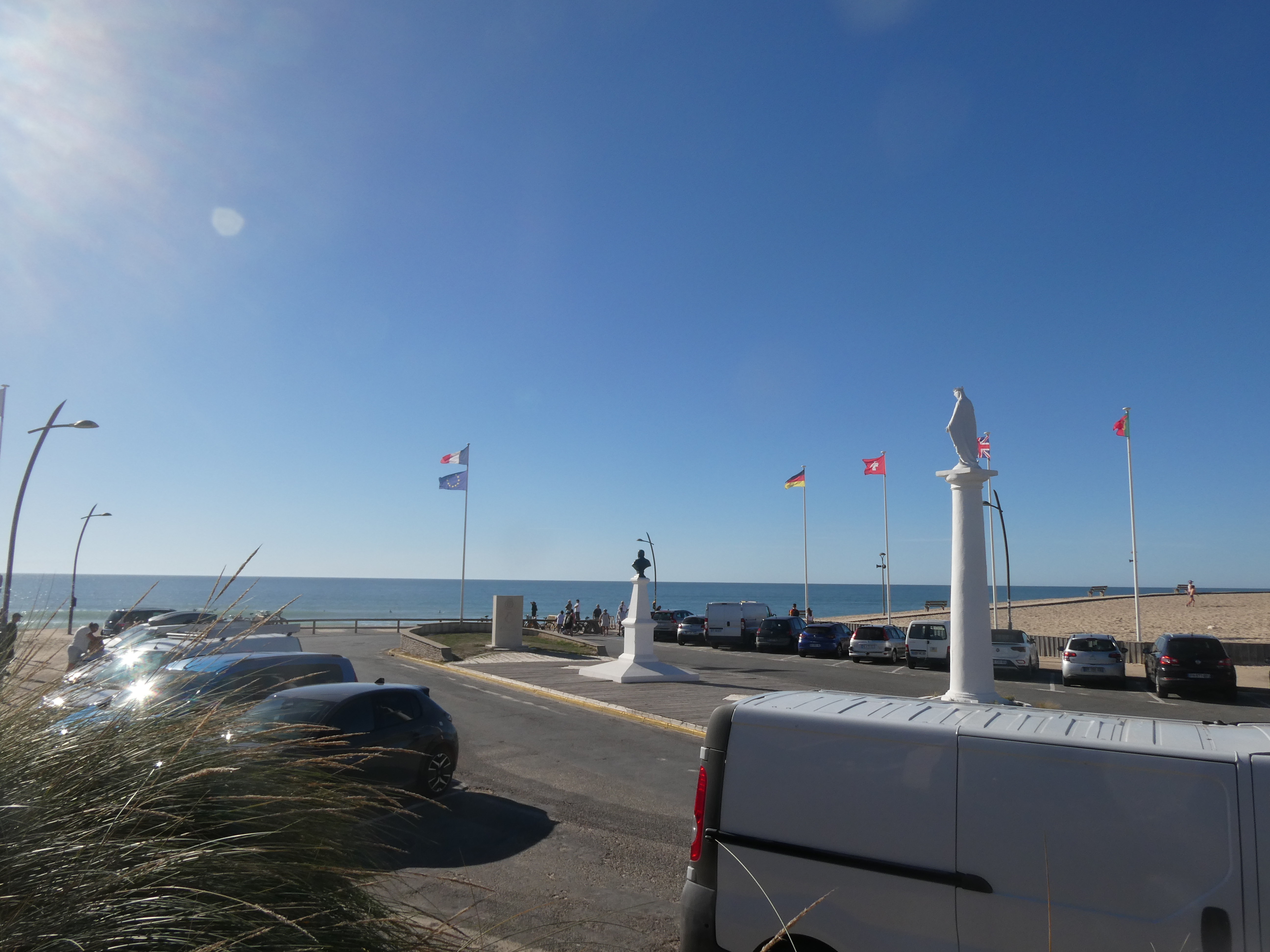
One way or another, this year we’ve indulged in seven trips, which seems, on first reading to be self-indulgent [a view that is certainly hinted at by some]. I don’t like to call our pieces of travel ‘holidays’, because holiday is an ambiguous term that means different things to different people. A holiday to many [myself included when I was a proper working person] is simply a break from work, lolling on a sofa in pyjamas watching movies. To others it is somewhere hot, lolling by a pool in swimwear. For us it is a foray into learning about places-their history and geography, the art and the culture.

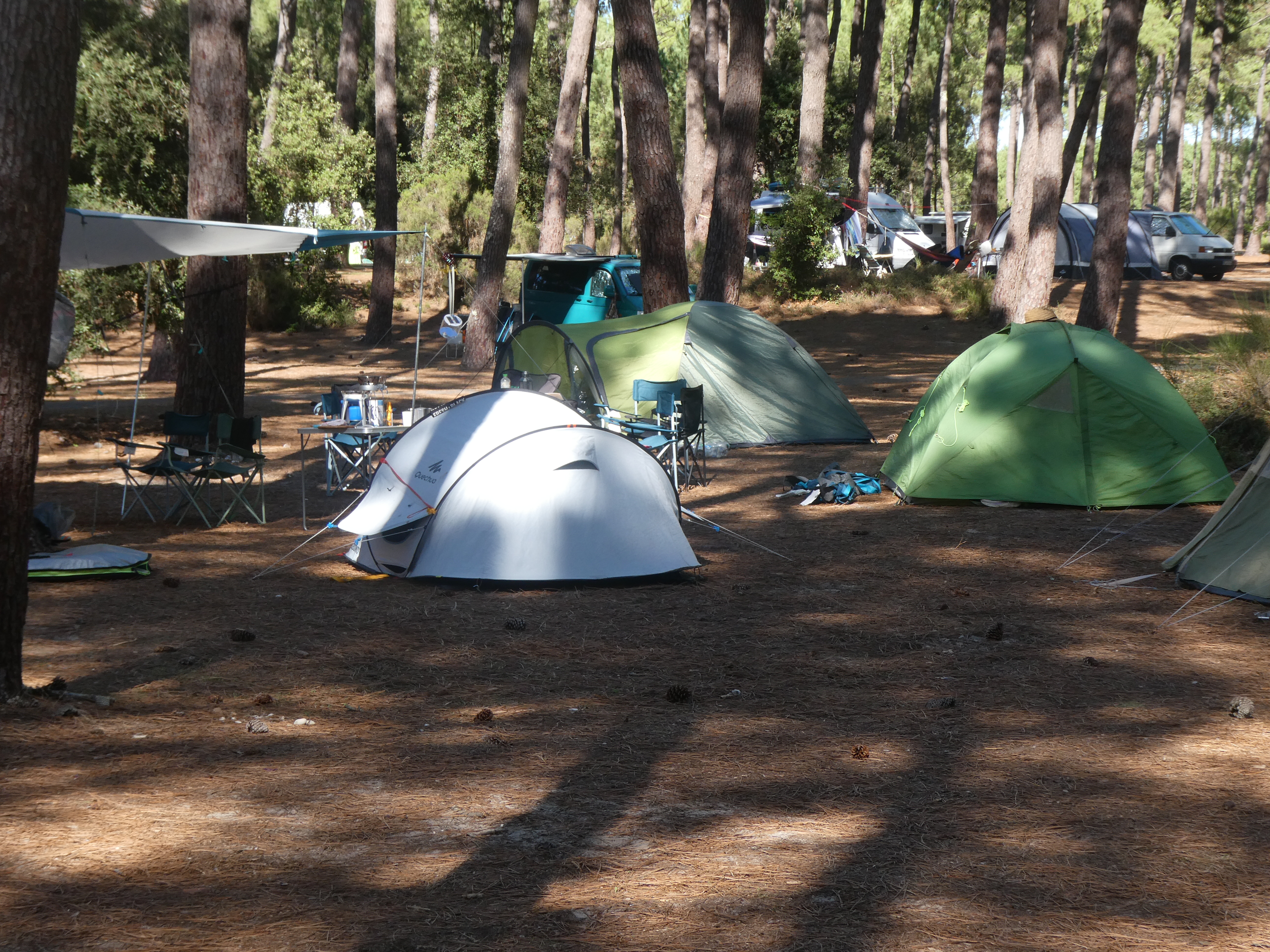
The first 2019 trip was in January-to Scotland in our camper van, which may appear a strange choice to some, but the weather, though cold [-6 at Loch Ness] was mainly crisp and sunny, ideal for seeing the dramatic scenery of The Cairngorms or the grandiose architecture of Glasgow.

P1060617

Next, in February, we made a self-indulgent winter sun visit to Barbados, a tiny, laid-back, friendly island, where we self-catered in a modest ‘apart-hotel’ and enjoyed the company of our fellow guests, jovial Canadians, most of them.

P1060803

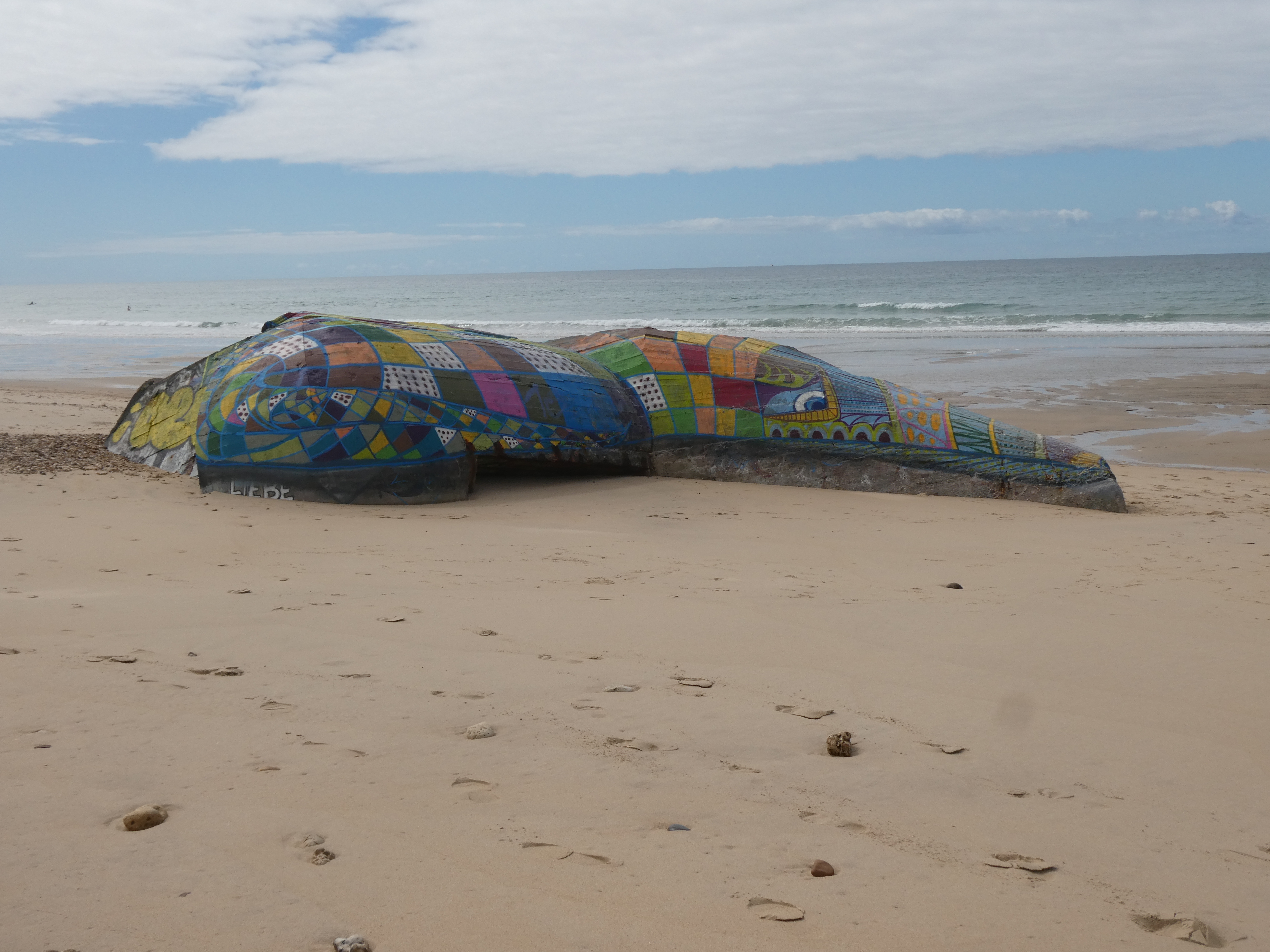
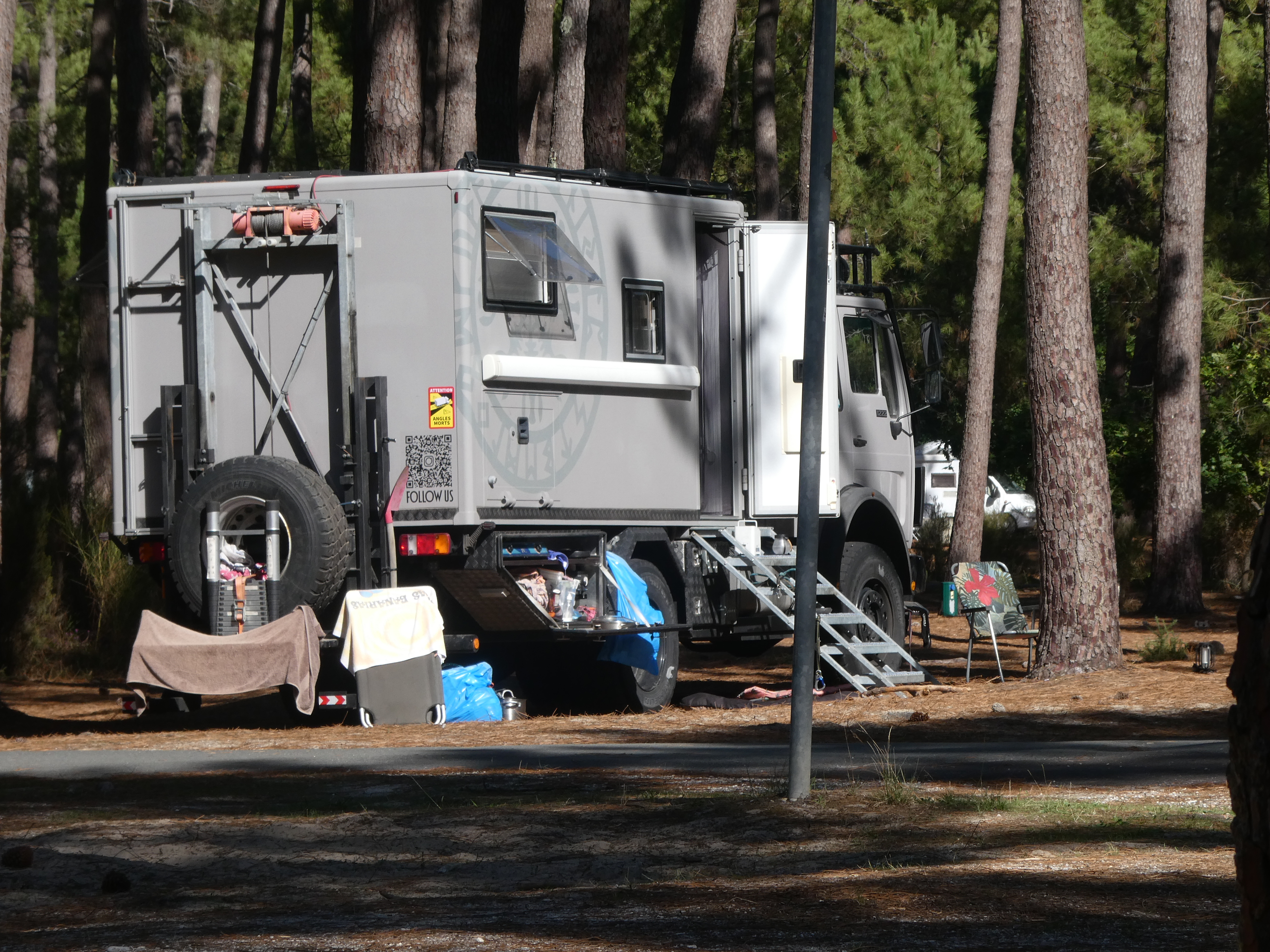
In the spring we trundled off along the [extremely wet] north coast of Spain, a spectacular journey following the pilgrims route to Santiago de Compostela. This rugged coast includes many cliffside towns that would rival the Amalfi Coast, if only there was sunshine and dry weather. We continued on around the corner to Portugal, which defied our experience of always being warm and sunny to be cloudy and windy. There is not much left of Portugal we haven’t seen but it remains a favourite destination.

northern spanish coast

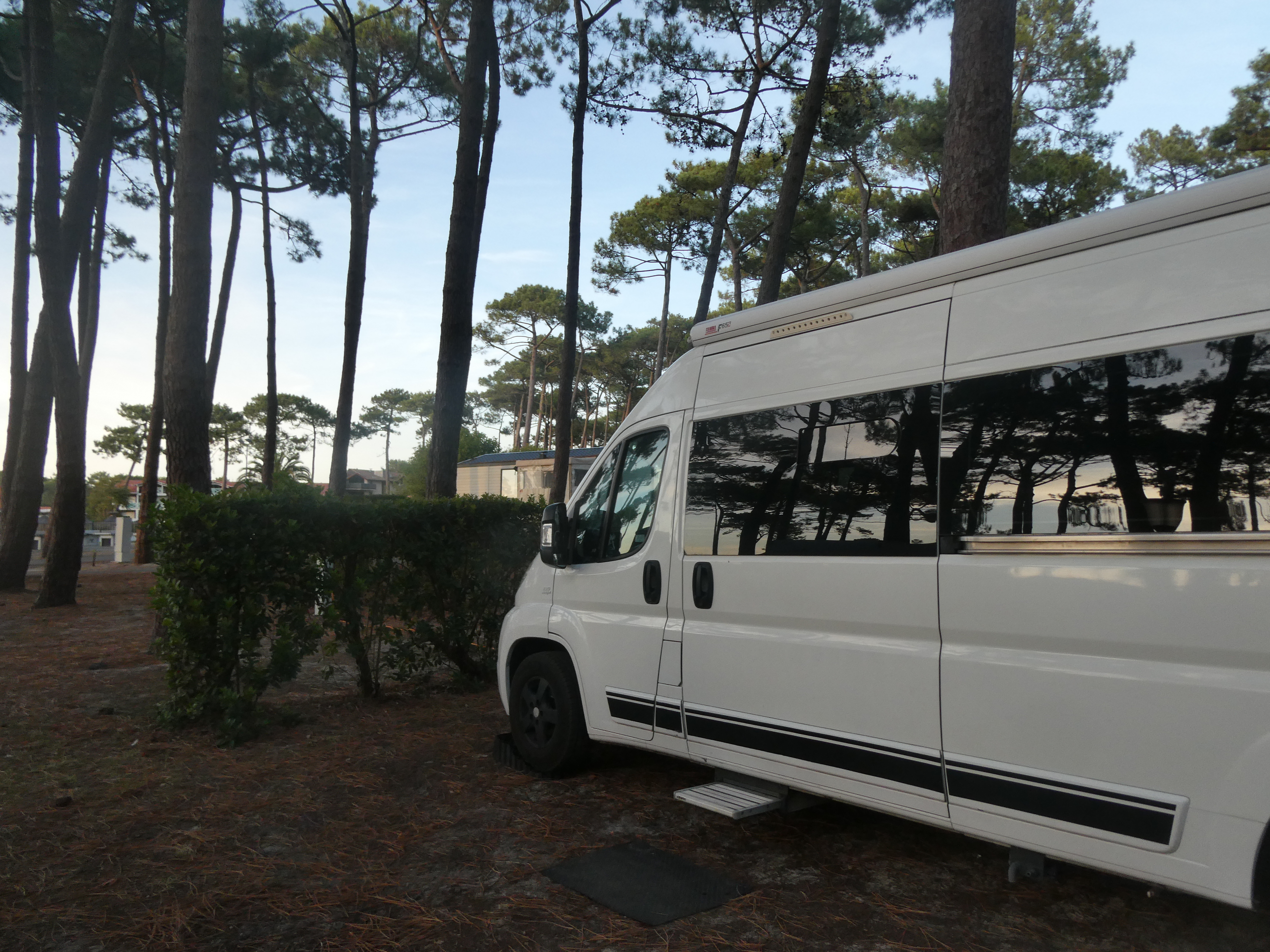
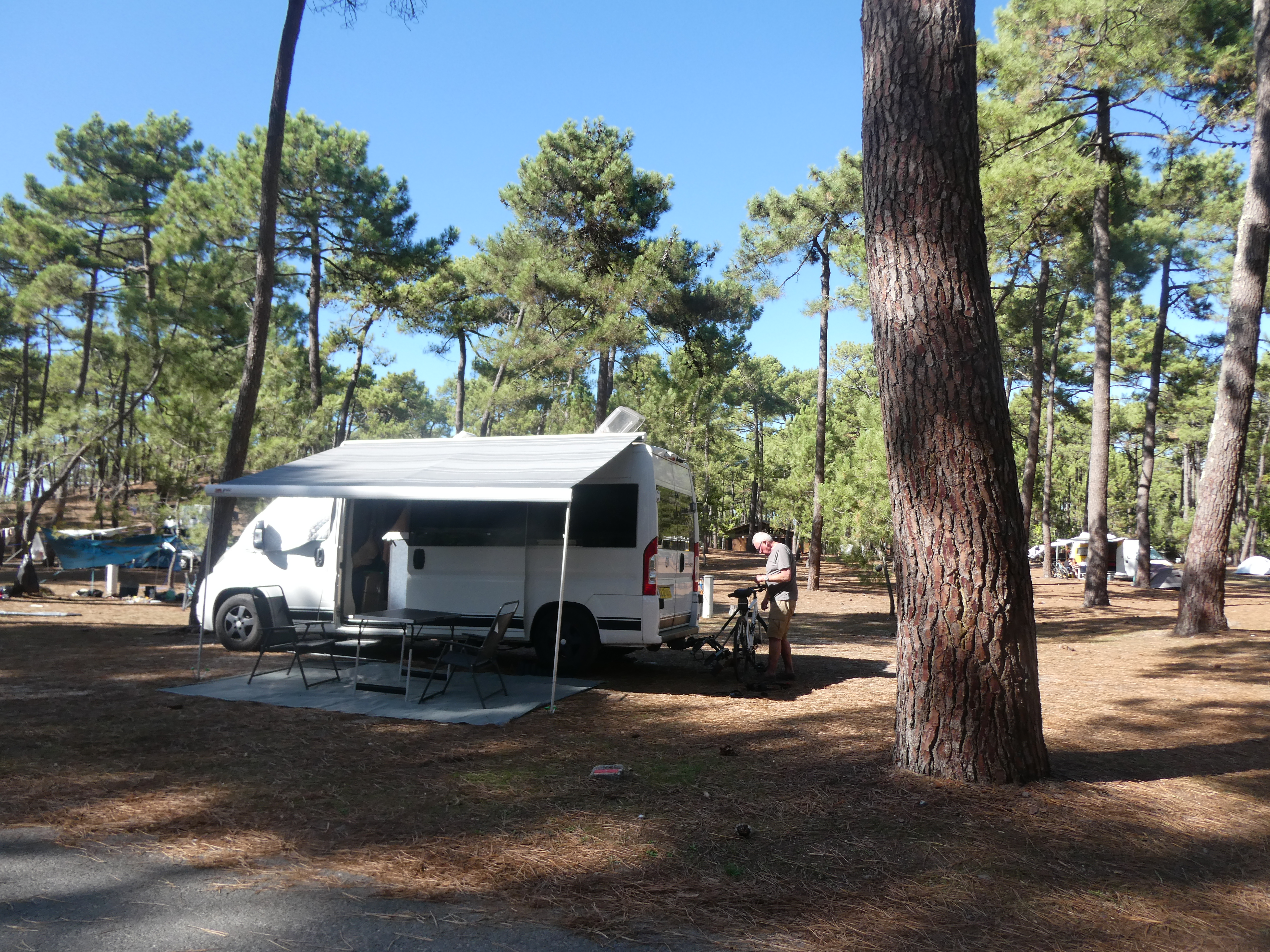
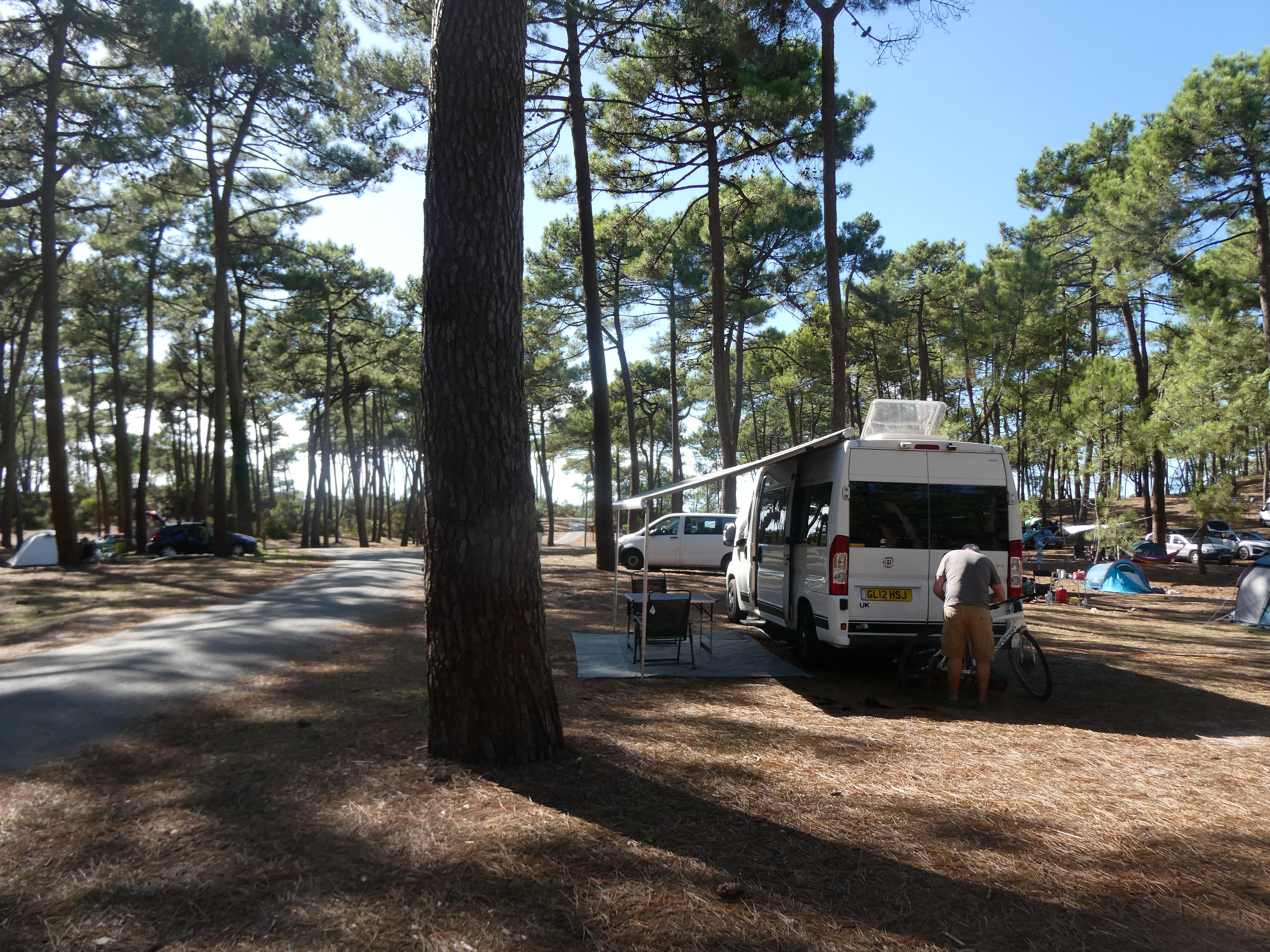
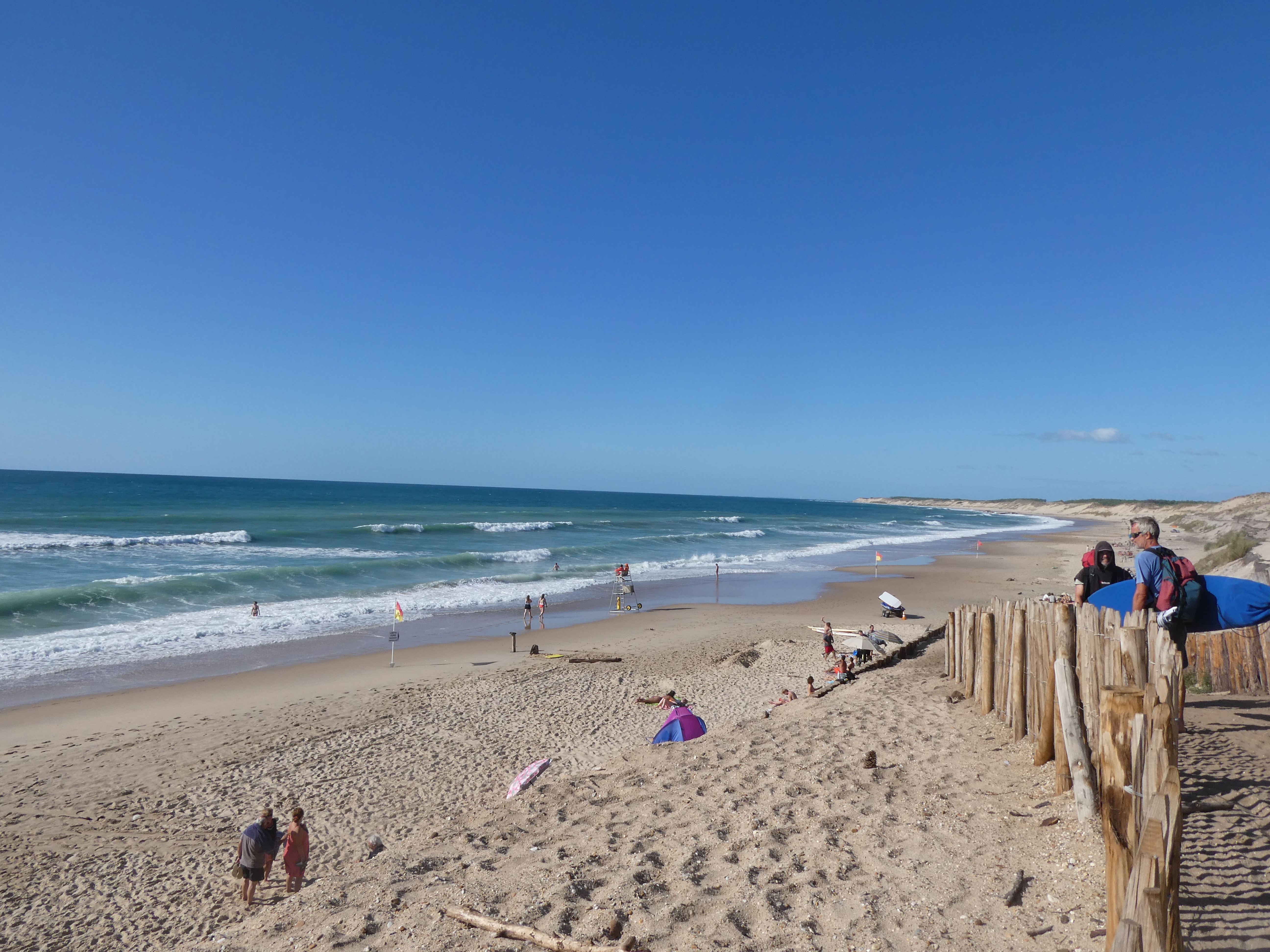
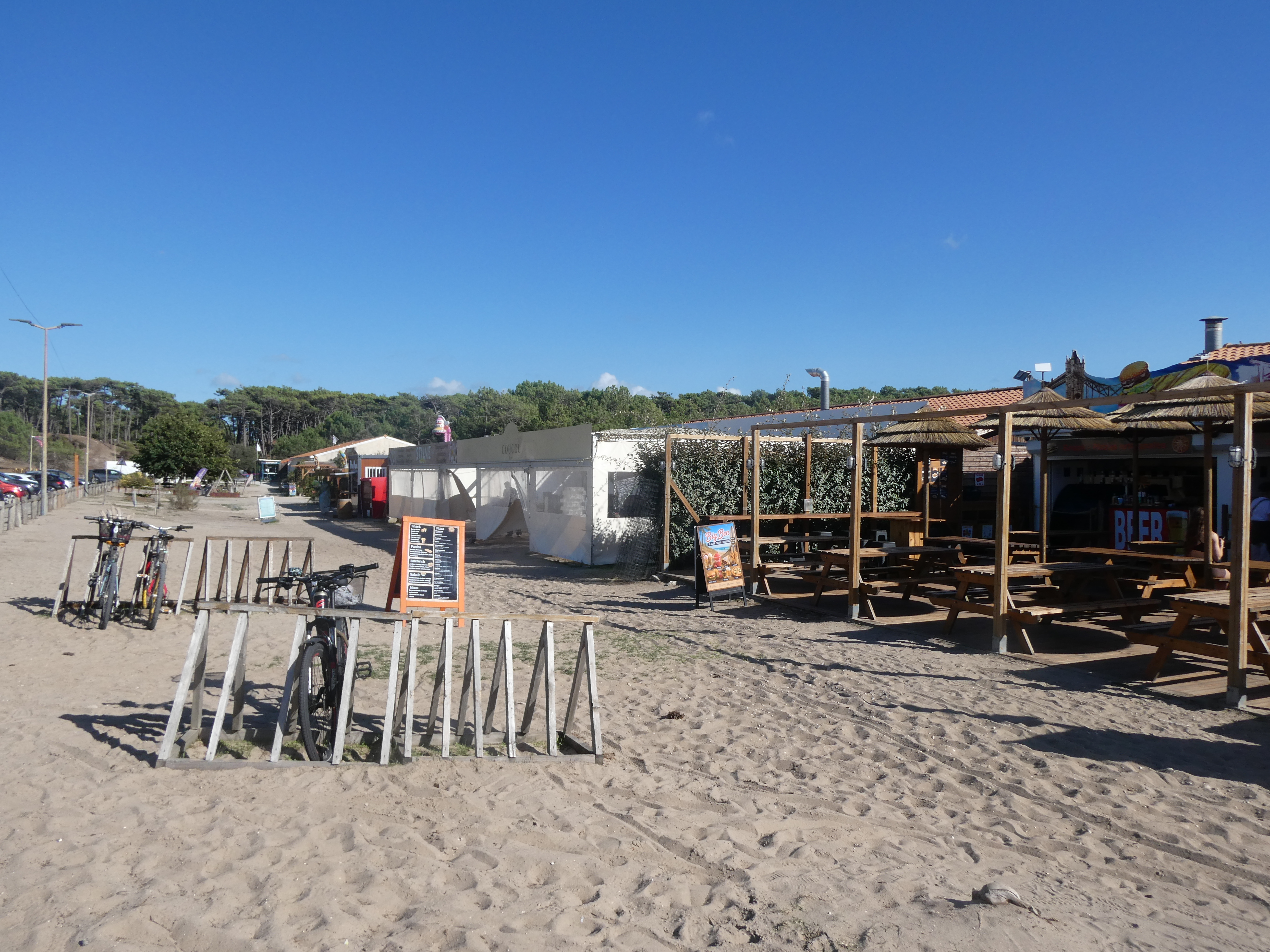
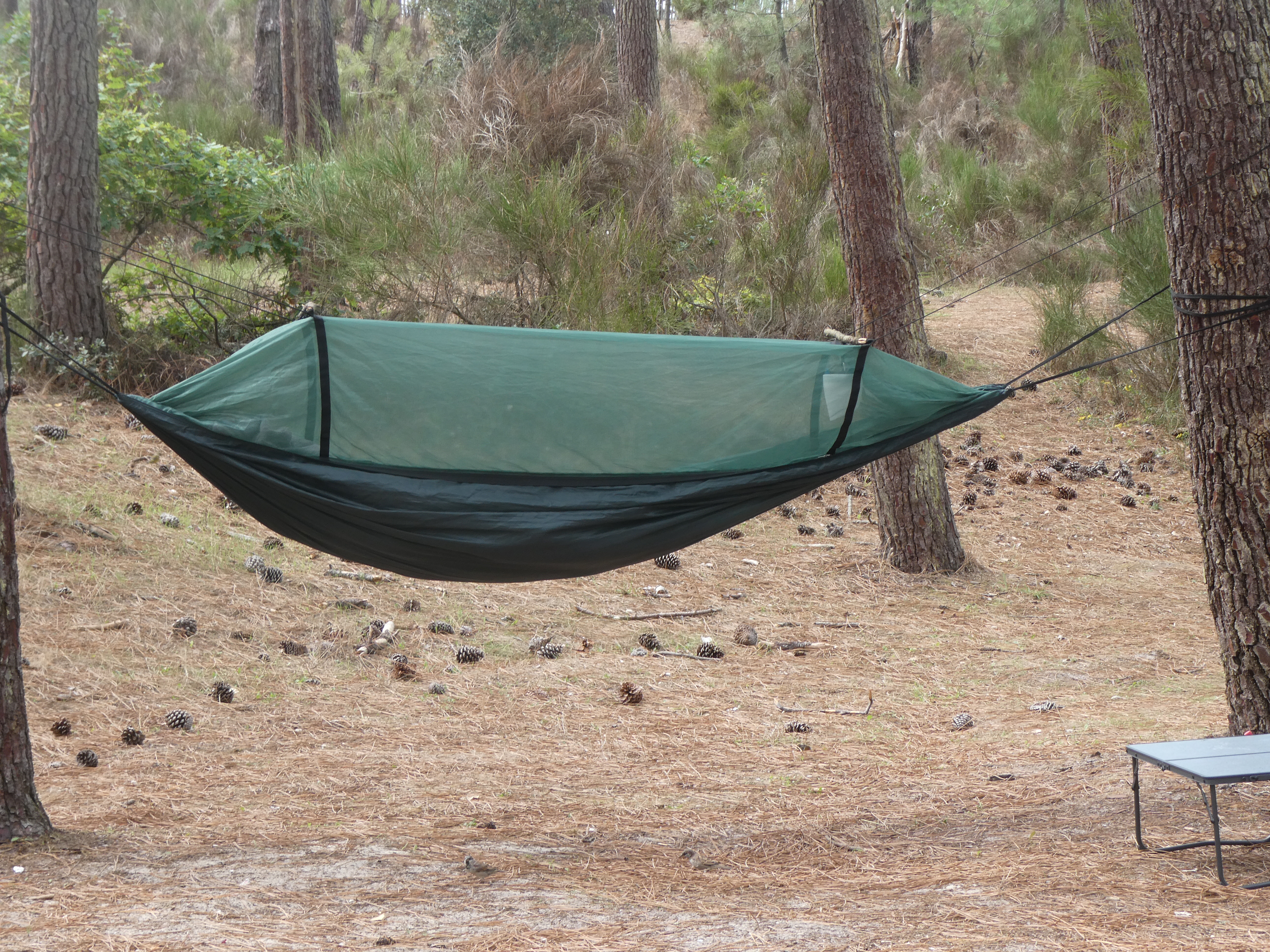
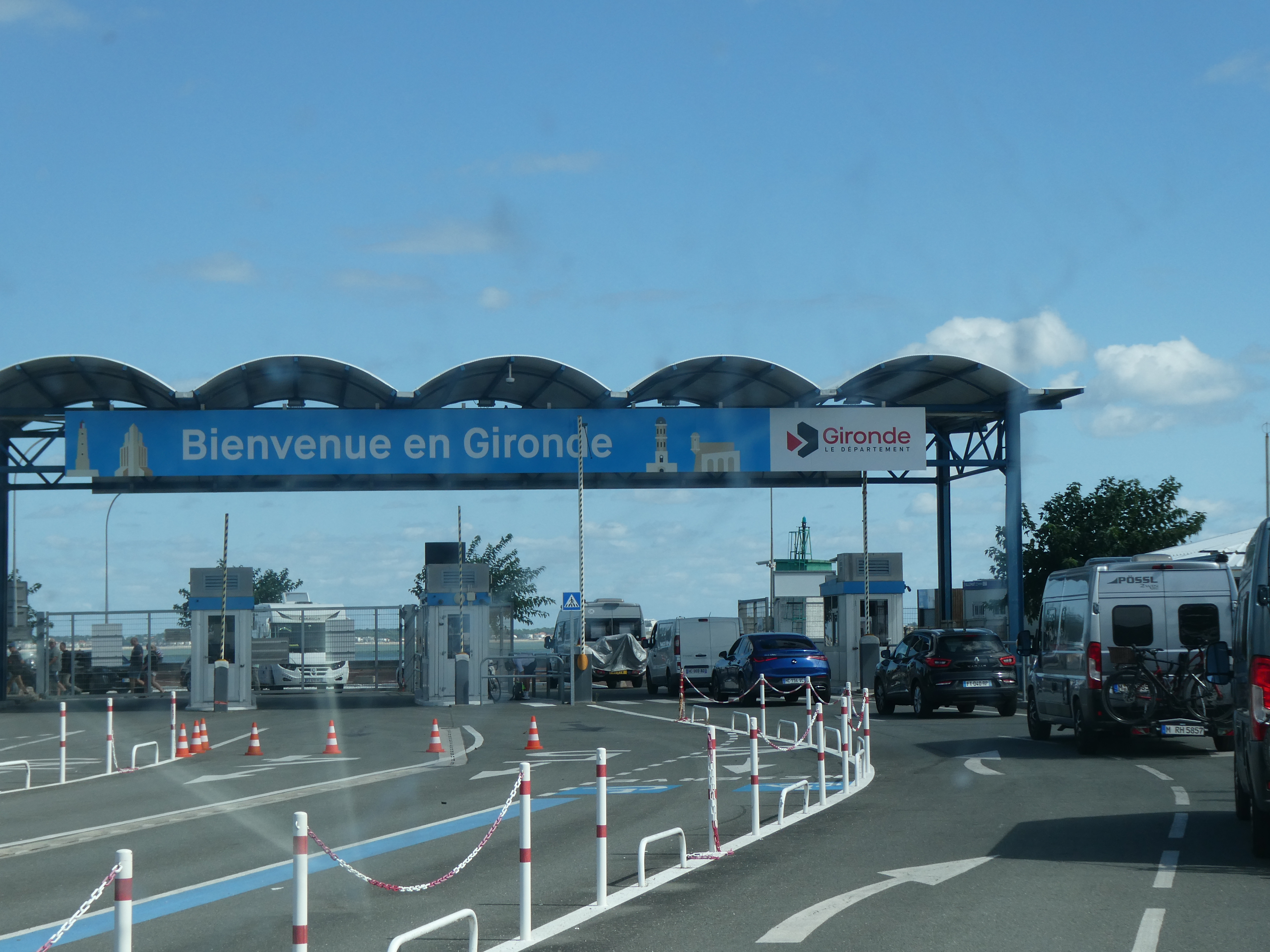
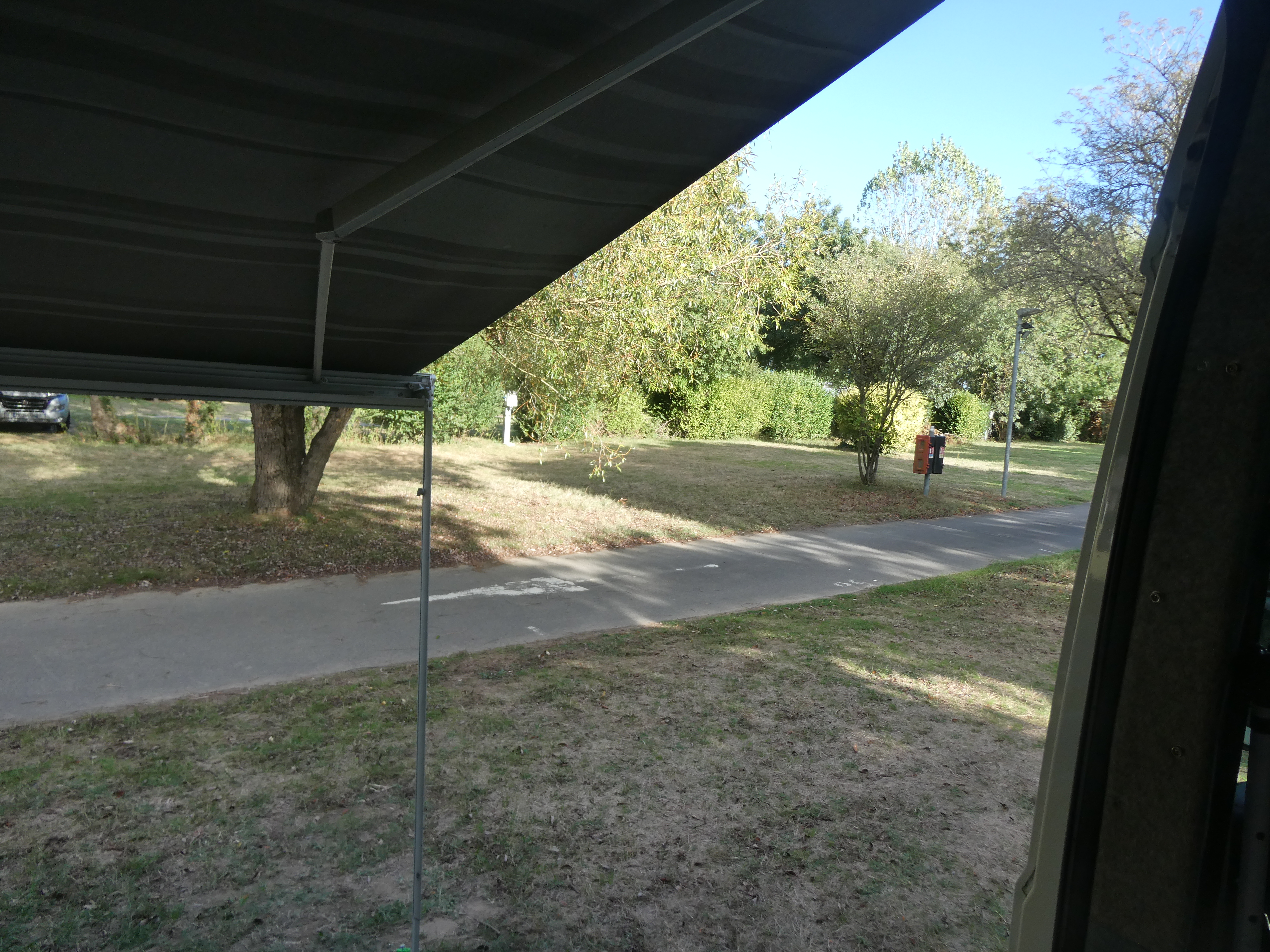
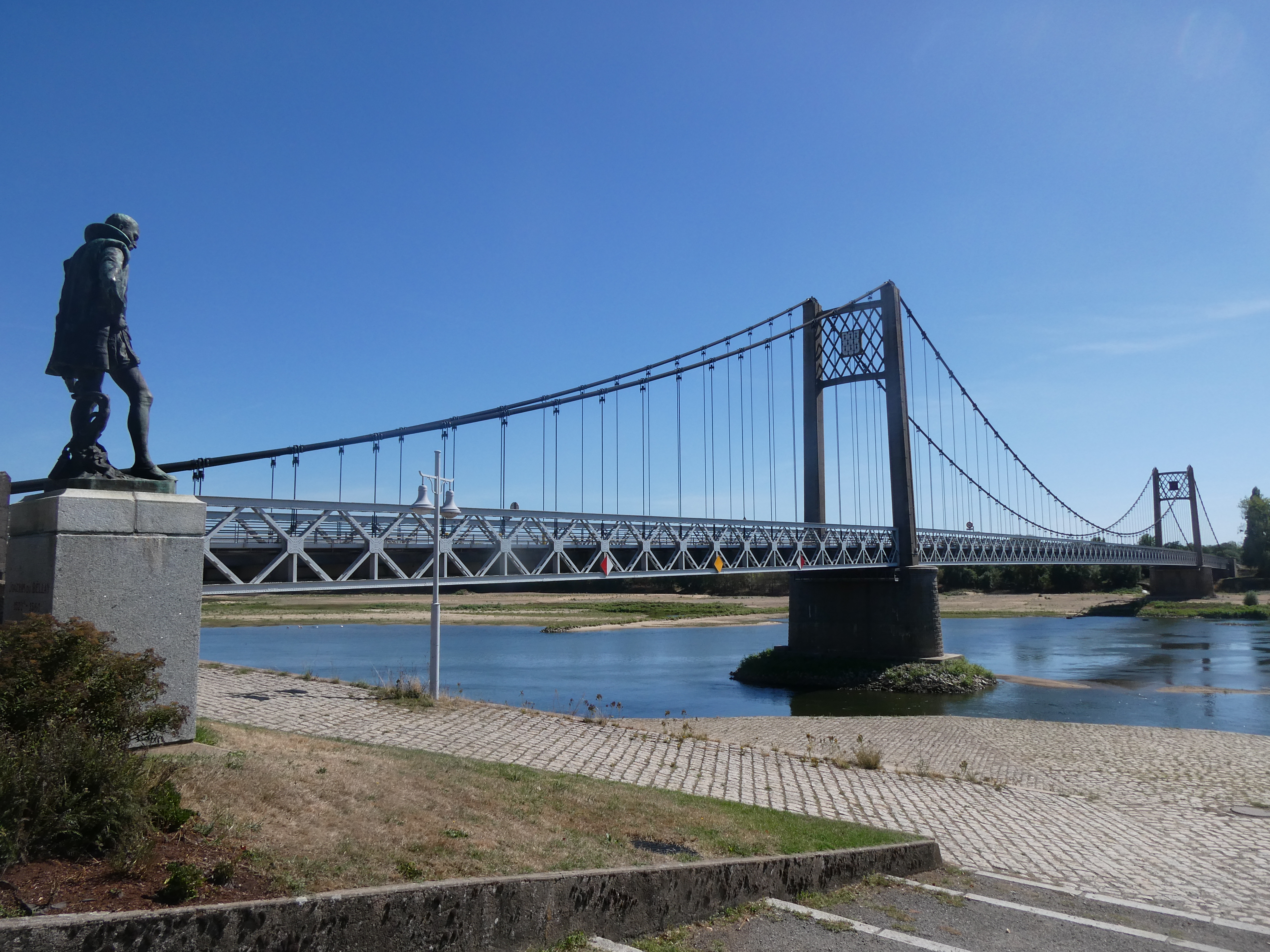
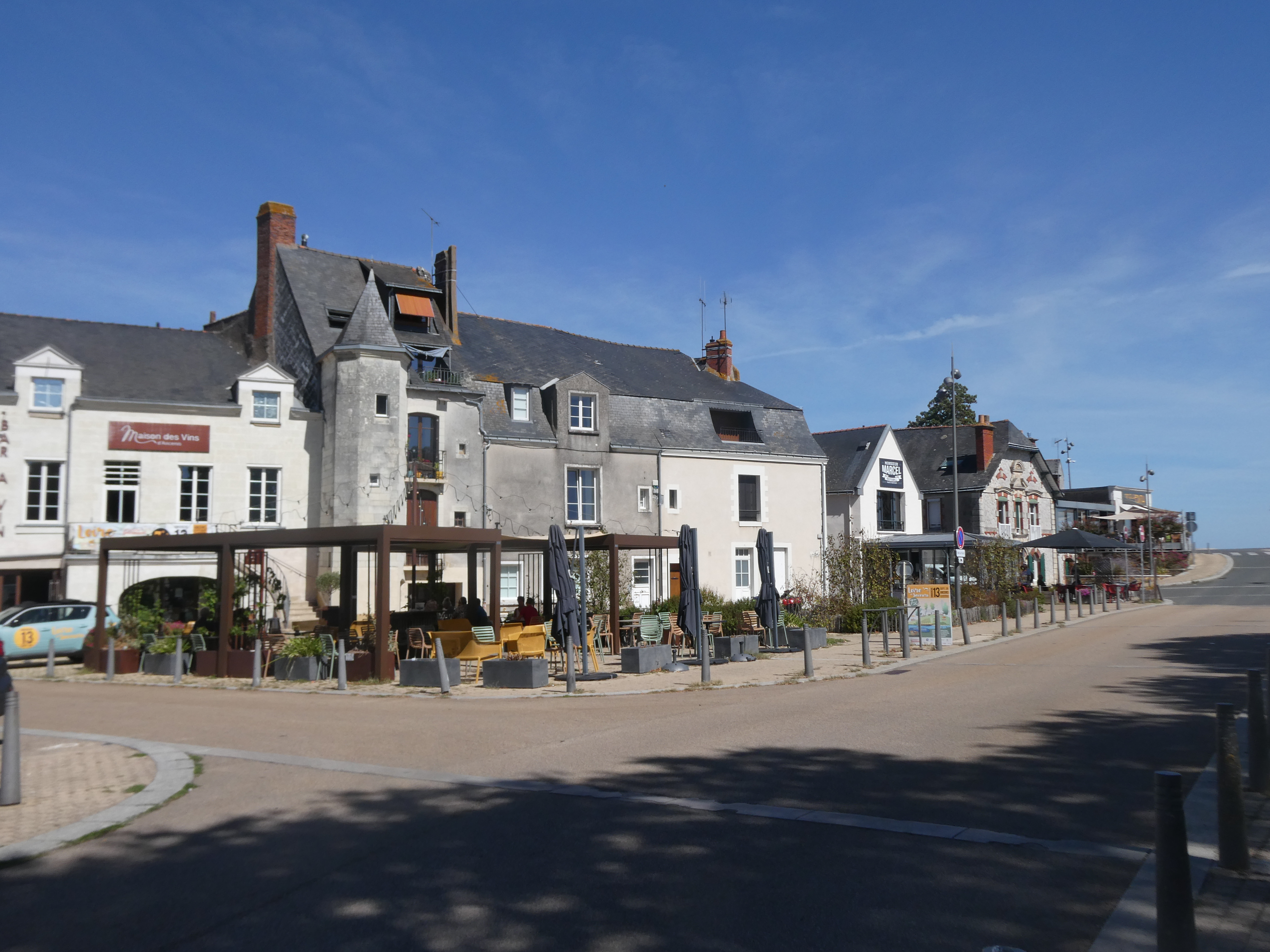
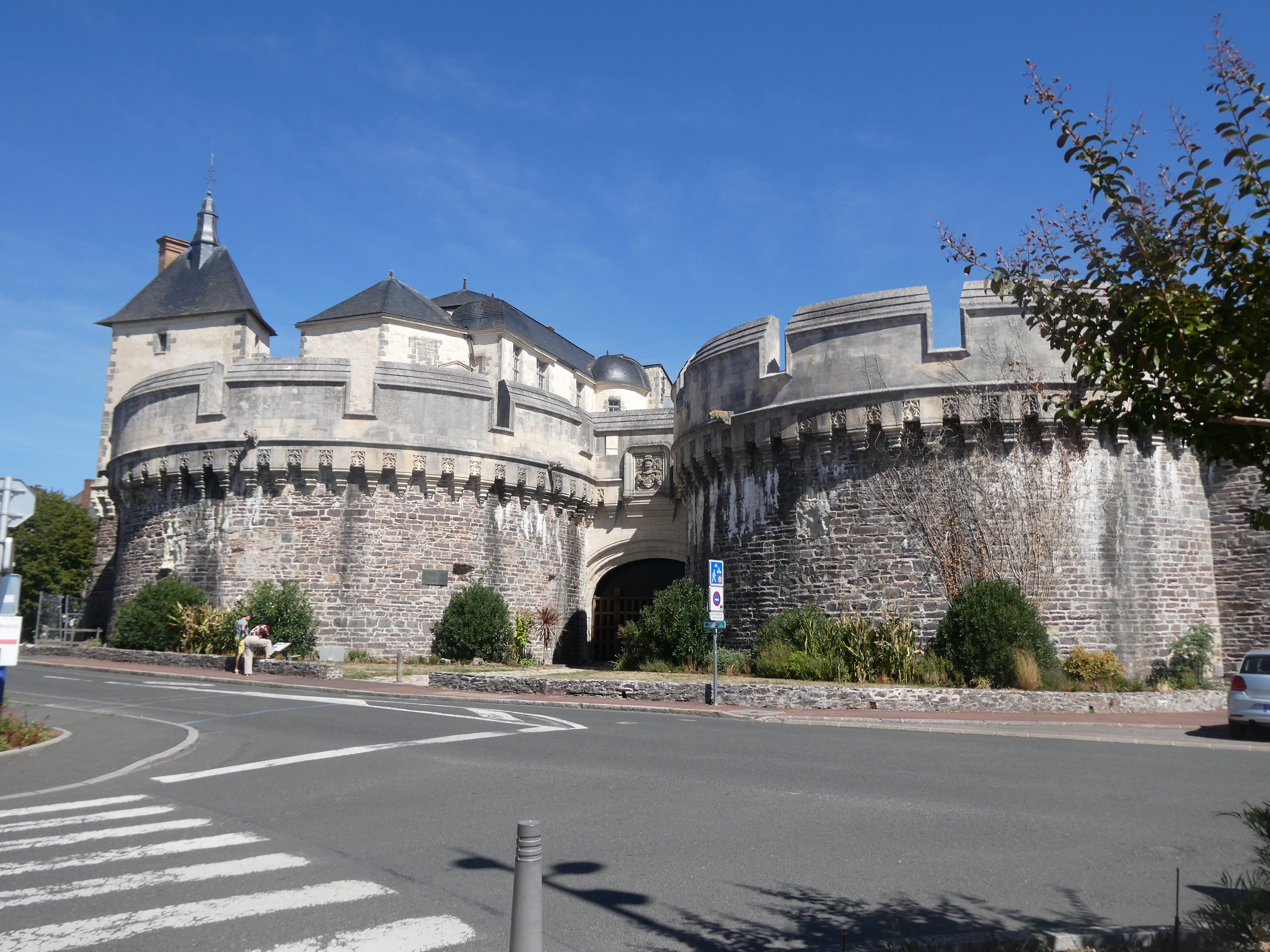
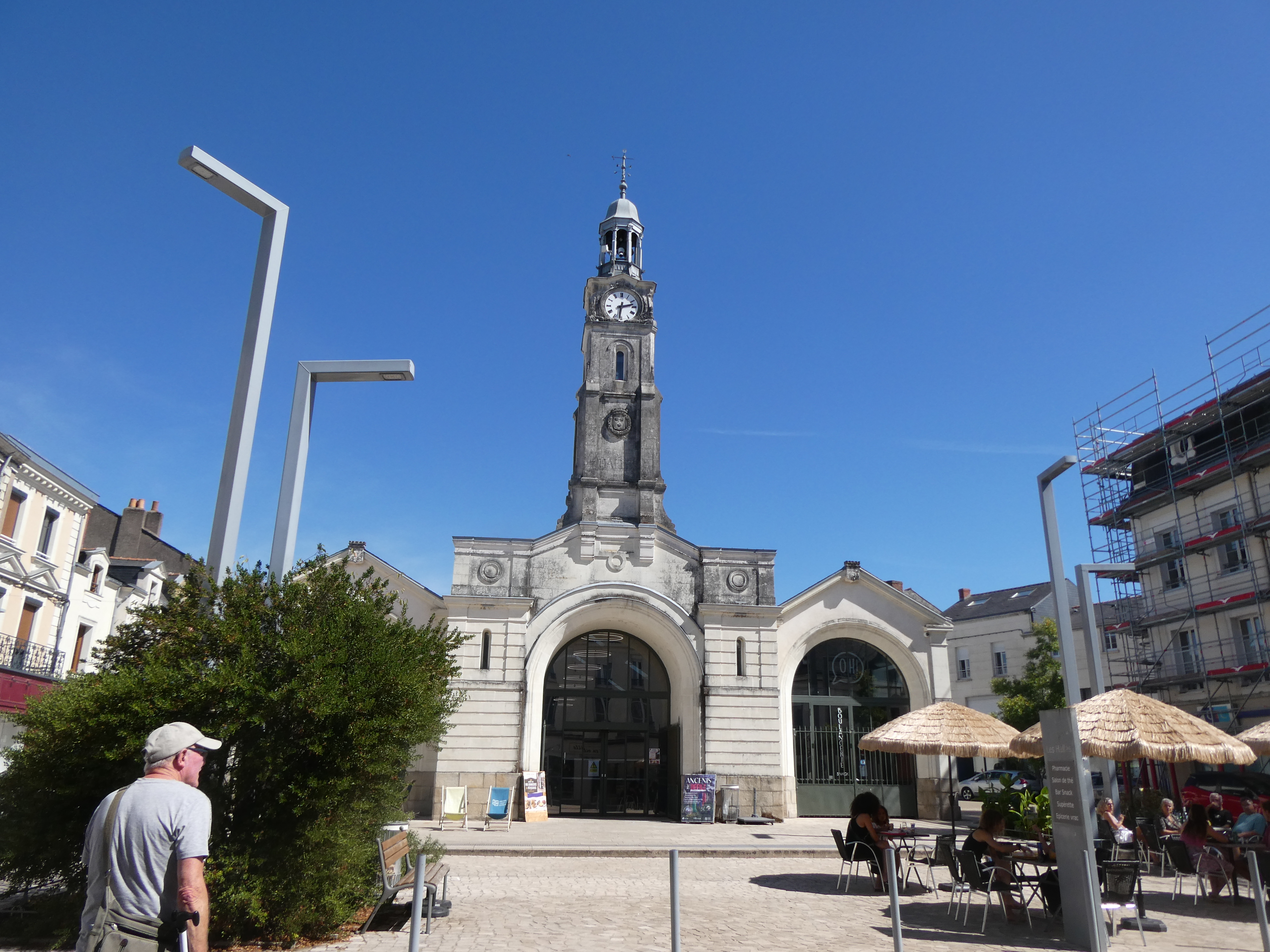
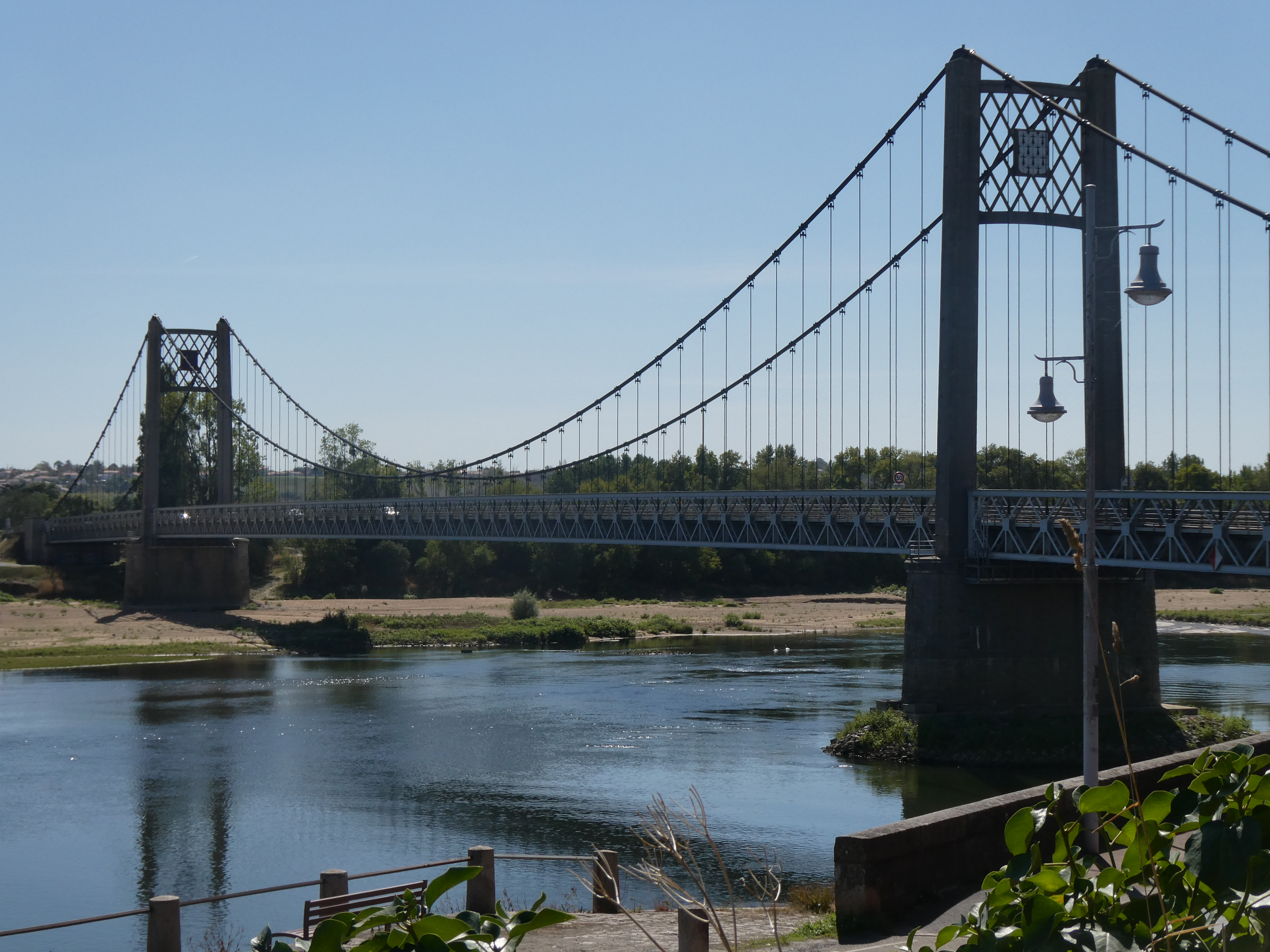
We undertook an early summer jaunt to Brittany, to cycle some of the Nantes-Brest canal. This was a spectacularly successful trip, the well-appointed, municipal sites along the canal cheap and conveniently placed by the towpath. But the temperature soared into the 40s, making cycling tricky even in the evenings. It was, however scenic, memorable and pleasant and we are likely to cycle some more French canal paths.
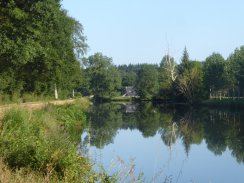
Brittany cycling

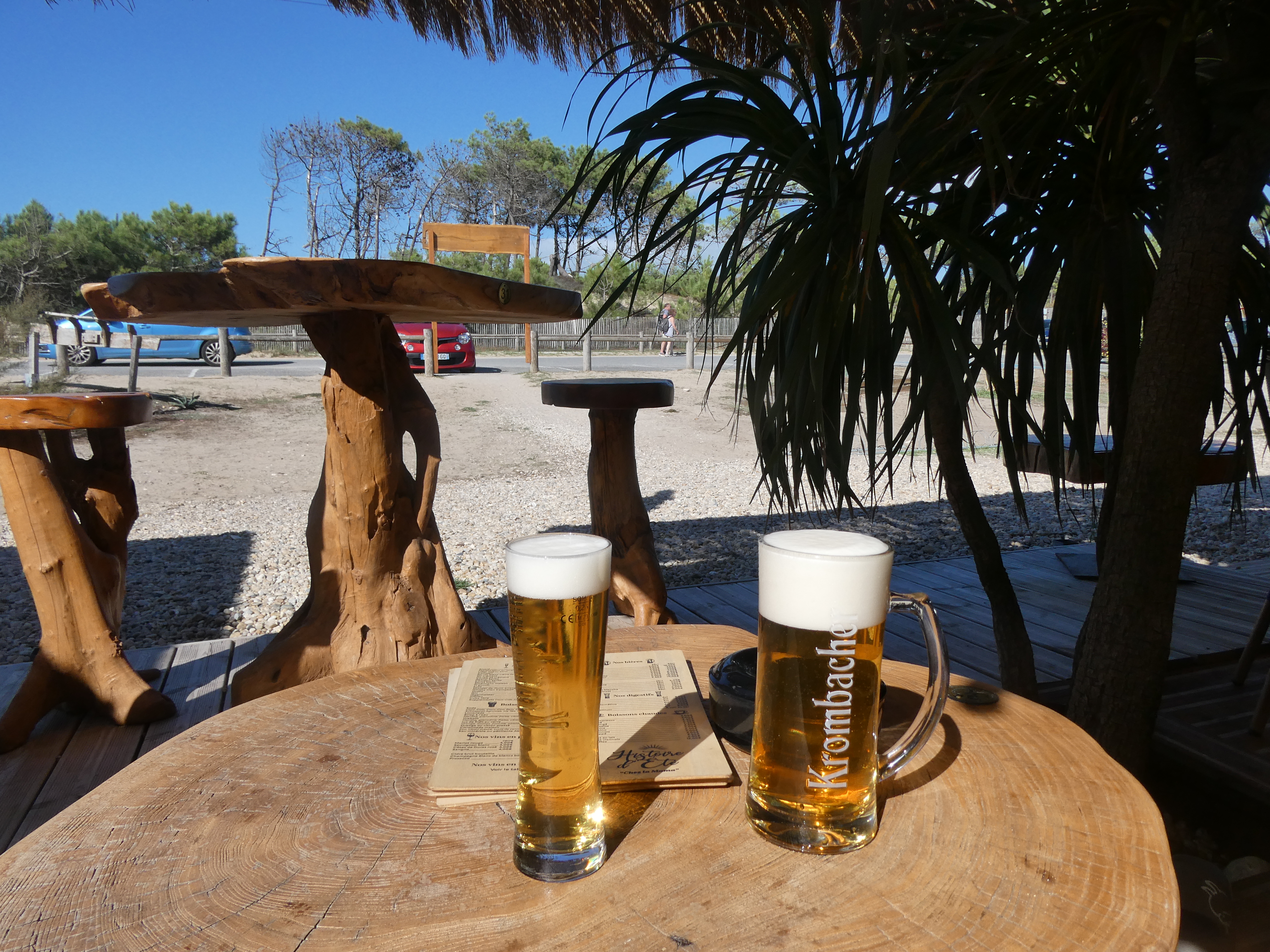
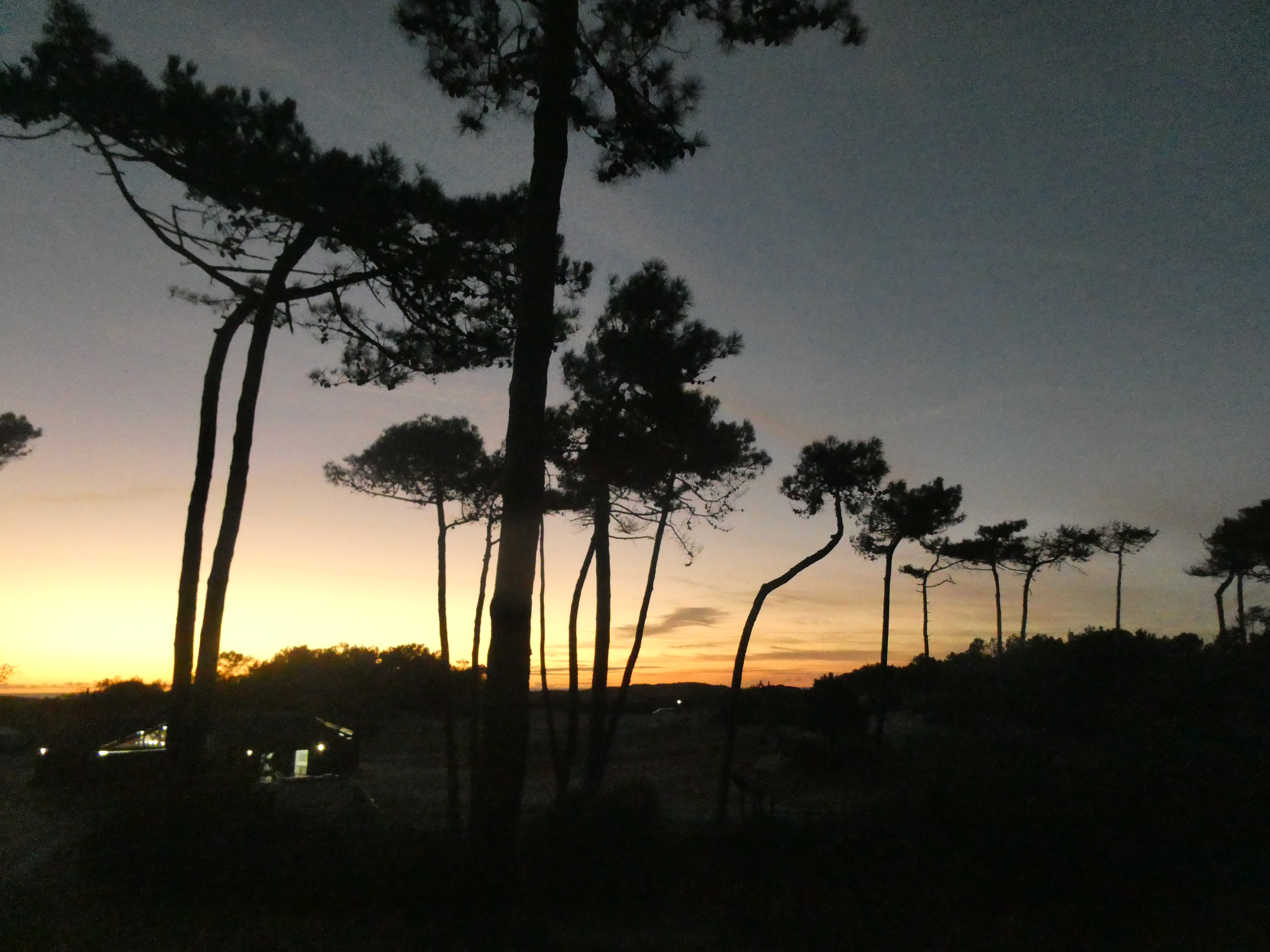
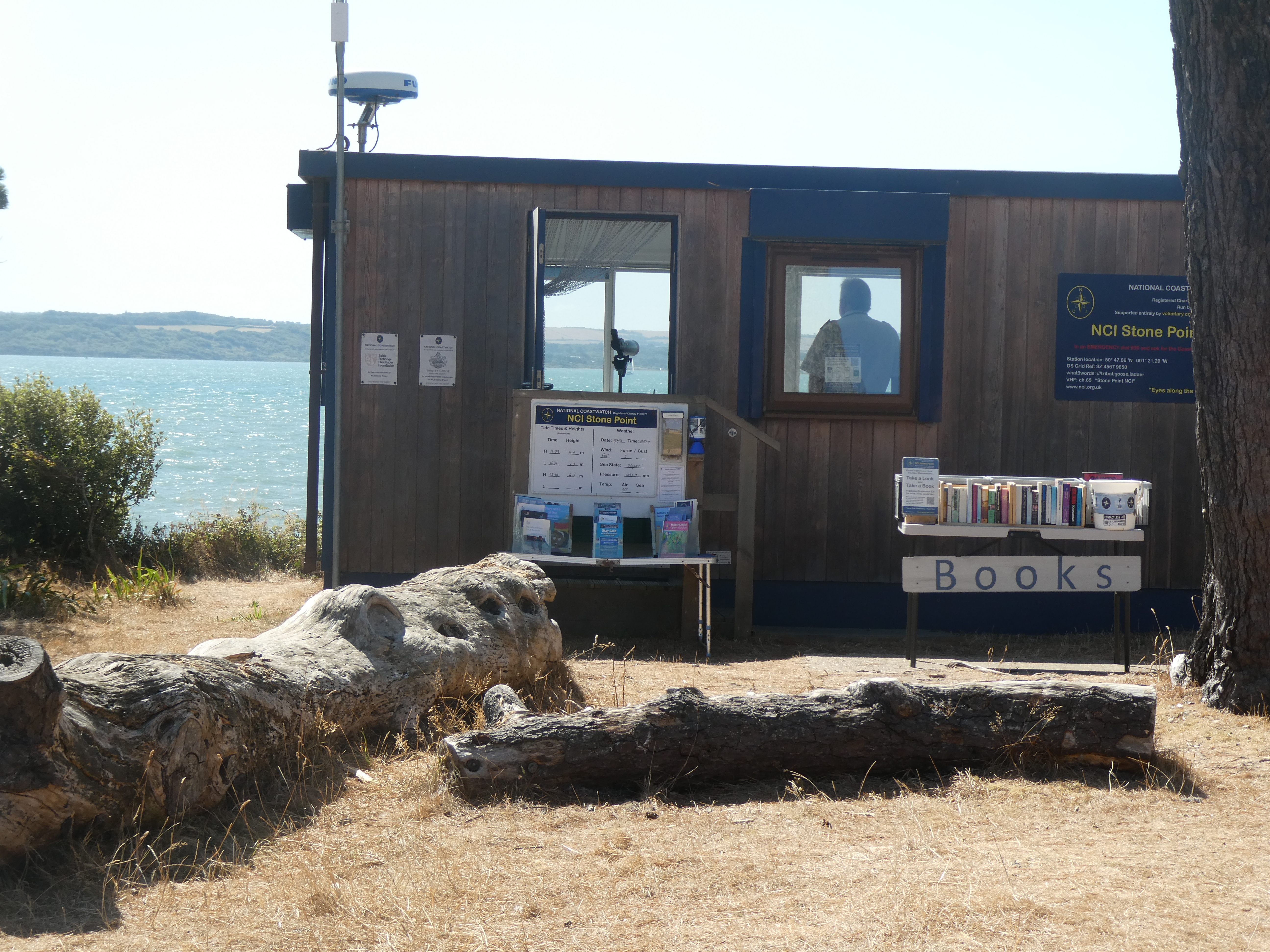
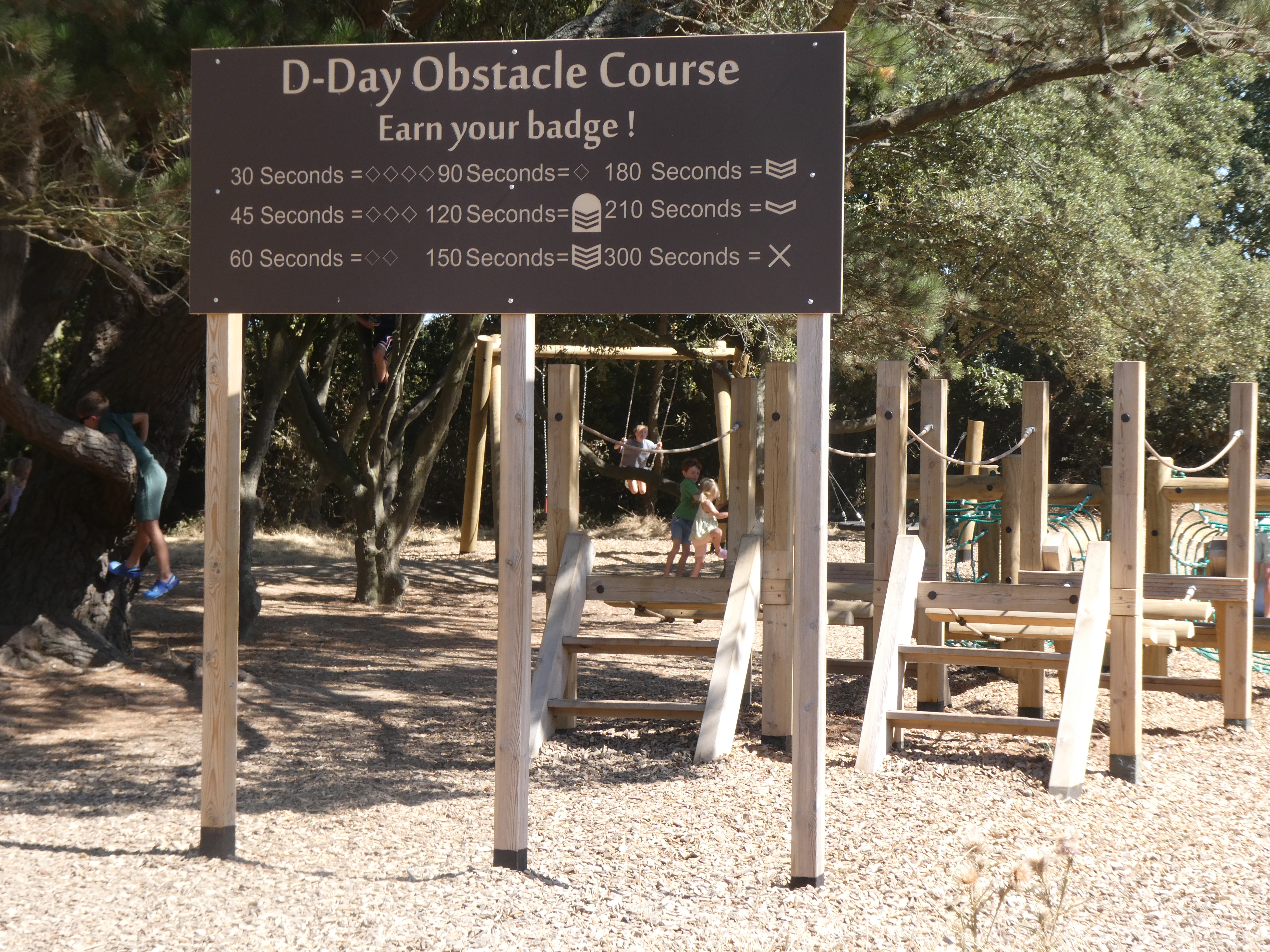
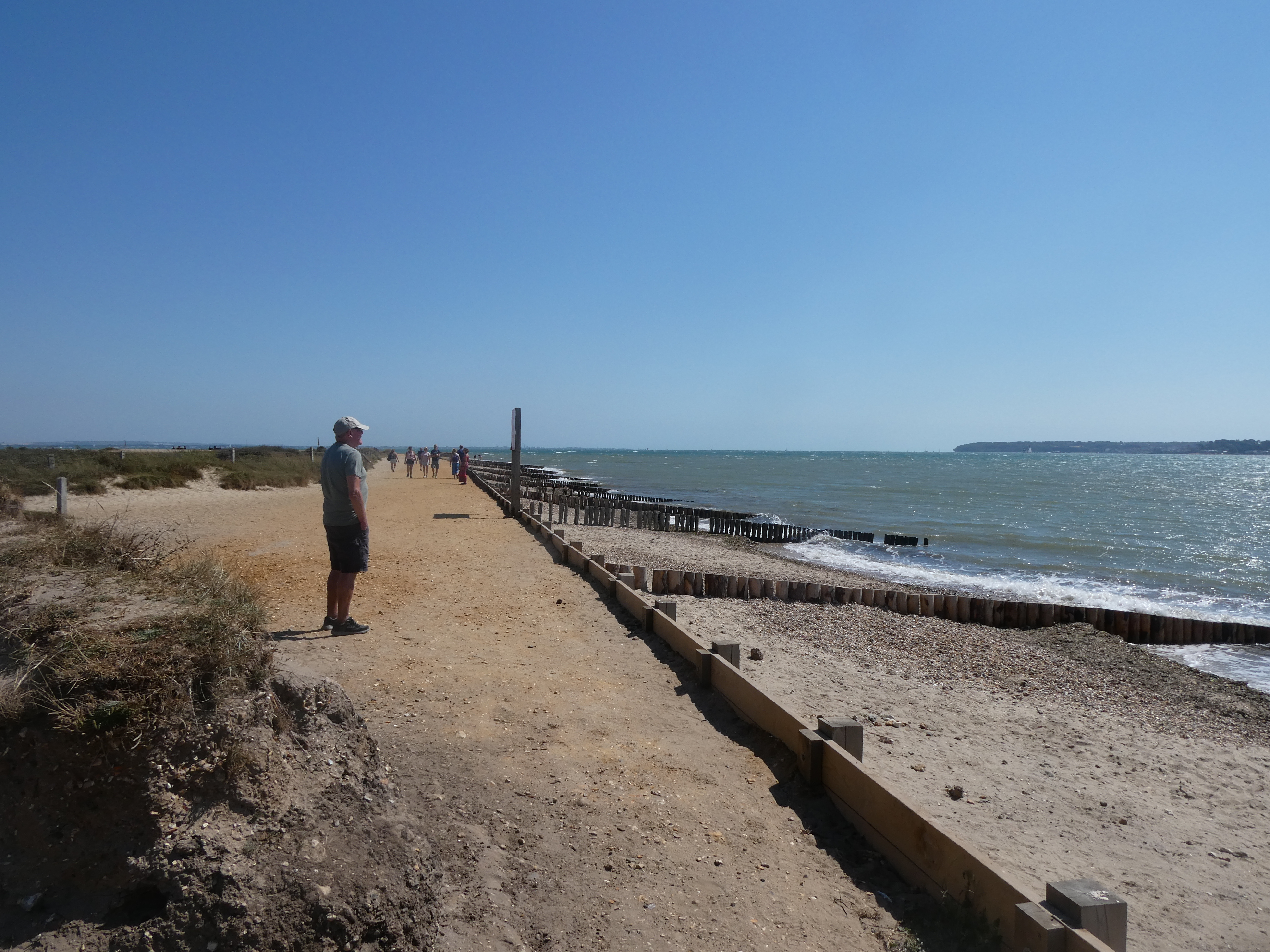
Later in the summer we stayed locally in a New Forest site by a small, handy railway station and a large pub, hosting a small granddaughter who had requested to come camping with us and fell in love with it all immediately, especially riding around on her bike, being surrounded by wild ponies and cows and eating outside in the fresh air.

IMG_20190821_141311

This was followed in the autumn by a visit to the outrageously gorgeous Italian lakes, starting with Lugano and continuing on to Como, Iseo, Garda and Maggiore-all very different but all breathtakingly beautiful-and new to us as a destination. The return drive over The Alps via the Simplon Pass was spectacular and I’ve no doubt we’ll return to the lakes at some point.

P1080354

Our last outing, in October,  was to visit Norwegian friends where they live overlooking a fjord near Aalesund. We were gifted with cool, clear sunshine and our hosts’ hospitality was lavish.

norway 19

So a brilliant year of travel; but where to in 2020? Well-weather permitting we’ll be sampling the delights of the Lake District, UK in January, then heading for long-haul sun in February. After that, who knows? Will European travel even be feasible? We can only wait to find out…

A Matter of Time

This is an ancient story- one of my first. It was also the inspiration for my second novel, ‘The Conways at Earthsend’. It set me wondering what life will be like in the far future. Recent world events, however have left me feeling it’s better that I’ll never know…

Frith steps out into the grey, depressing familiarity of the patch she still thinks of as a garden at a time she knows is morning from her ancient alarm clock. She glances up into the hazy fog as she does each day, to assess the extent to which a semblance of light may be penetrating. This morning, within the billowing folds of damp cloud a sulphurous, bilious glow hovers like a searchlight beam, providing little in the way of illumination and no warmth, although Frith allows a small thread of encouragement to weave into the start of her day.

Along the cinder pathway fresh layers of fine dust display the prints of the girl’s boots as she moves towards a network of raised beds rising like ghostly islands in the gloom. She pauses by the first rectangular slab, a dark oblong mound constrained by timber planks, crumbling a little now from prolonged exposure to damp and housing what would have been a robust crop of potato plants. Frith adjusts the filter masking her nose and mouth before bending to inspect the nearest plant. A few dark, brittle leaves have struggled to the surface of the dusty heap of soil. She peers at them, unsurprised by their insidious coating and searches for any sign of a flower. They will need to be earthed up again, she decides, grimacing at the idea of the task; digging into the tainted earth will produce a storm of silver powder pluming up and coating all in its descent, including herself.

She walks to the apple tree, a spectral giant in the mist hung with fringes of dull spores and remembers her grandmother describing summer afternoons as a child lying in the shade of it with a book or clambering to the top to teeter on a spindly branch and marvel at the view across the sunlit valley. She shivers, conscious of the oppressive silence that hangs over the garden like the fog. On the tree’s lower branches one or two tiny, misshapen fruits cling in a valiant effort to perpetuate.

Beyond the tree, by the low stone wall that once marked the boundary with a neighbouring property there is a brave, rebellious clump of brambles making a stand against the suffocating effects of fungal invasion, producing fierce, protective thorns and exuberant, wet foliage tinged with hints of green amongst the smoky coating. Frith allows herself to hope for blackberries later on, in the time that used to be called autumn when there were seasons marking changes in climate; months when days were warm, hot even, and periods of fierce cold when the land lay dormant.

The greenhouse is barely visible at the end of the monochrome garden until Frith is near enough to touch its damp and slimy surface. She pulls the door open and steps inside. The tender plants here have not escaped the blight and she surveys the spindly pepper bushes, brittle stalks smothered in grey and moves slowly on towards the end of the small structure where she’s been nursing the tomato seedlings. She stops; holds her breath.

There is a diminutive, amber globe attached to one of the plants, glowing like warm, evening sunlight. She bends to peer at its parent plant. There are two more ripening fruits clinging to the foliage, shining with impudent optimism. Frith stares then throws her head back, an almost hysterical laugh erupting from her lips and her eyes wet with tears.

The sound of footsteps crunching on the path causes her to turn and see the tall, bulky figure of Cal approaching then he is there filling the doorway, his woolly hat jammed tight over his dreadlocks and long scarf wound around his face and neck.

“A brace of coneys,” he tells her. “Not much meat on them but they don’t look to be in too bad a state. We’ll get some broth out of them anyway.”

Her eyes, turned to him are radiant. She shows him the tiny tomatoes illuminating their corner of the greenhouse. “Should we move the plant, do you think, Cal? We could take it inside the house. It might be special, have some immunity. And if we kept the seeds maybe they’d grow into stronger plants still!”

Cal reaches out to pull her to him, enclosing her in his arms, her cheek against the rough tweed of his overcoat. He looks over the top of her head towards the little plant with its defiant tomato warriors and thinks of the children he and Frith might have had. Her face, when it turns up to his, still damp from tears is itself reminiscent of a child’s.

“We’ll leave it be, love. If it is going to resist the blight it’ll do it here. Moving it will make no difference. Come back to the house now and help me skin the rabbits.”

He watches her later, staring at the flames flickering blue around the remnants of decaying logs in the fireplace and knows she is allowing herself to dream of a future.

“Frith love,” he murmurs. “Don’t get your hopes up. I know it was good to see, but not enough to signal any kind of recovery.”

She looks up, frowning, irritated; the extinction of possibility is hard to bear. He takes her hand. “We’ll keep watching it. It could be resistant. Only time will tell.” And he turns back to where the flames are ebbing in the fireplace, reducing the logs to glowing, flaky ash.

Novels by Jane Deans [Grace]: The Year of Familiar Strangers and The Conways at Earthsend. Visit my website: janedeans.com

Ceasefire at Havelock Terrace

Today’s post is a flash fiction story…

Everyone in Little Pewsey knew of the feud between next-door neighbours Arnold Stopes and Bernard Shrigley, which had raged for more than fifty years, although few could say what had started it. Born within months of each other in adjoining cottages in Havelock Terrace, Arnie and Bernie had been walked together in prams, begun school on the same day, attended cubs and later, scouts and had their collective ears boxed for scrumping apples. They’d shared sweets, the Beano, secrets and girlfriends.

Both keen gardeners, they nevertheless adhered to strict individual notions for what constituted an ideal garden, most of which conflicted. Over the years, these conflicts had escalated to a point where verbal communication had ceased, to be replaced by physical acts, that is to say, retribution.

When Arnold’s magnificent flowering cherry tree had the audacity to extend its boughs over the hedge that formed the border between their properties, casting a shadow over Bernard’s patio, Bernard took his shiny loppers and hacked off the offending branches, thus decimating the graceful symmetry of the tree. Thereafter, on sunny afternoons, Arnold made sure to give Bernard’s patio a liberal dousing during watering sessions. Bernard’s mongrel dog, Tinker was fond of plunging through the hedge to dig holes in Arnold’s cabbage patch, provoking Arnold to retaliate by cultivating a luxuriant weed patch next to Bernard’s raised vegetable beds.

It was on a warm, balmy September evening that Arnold, straightening up from his labour of lifting potatoes, felt a sharp paintravel along his arm before tumbling to the ground and breathing his last, watched by his neighbour, who went to bed, fell asleep and was never to wake again.

Novels by Jane Deans [Grace]: The Year of Familiar Strangers and The Conways at Earthsend. Visit my website: janedeans.com

Asking For It

Now I’m old I sleep a lot, like everyone else in this place, this fusty living mausoleum for the almost dead. And even when I’m not fully asleep, I daydream; always about the past, almost always about Paddy. While he haunts too many of my dreams for one known to me for such a short period I can still see him- his dark, laughing eyes, swarthy, tanned skin and the curly black tendrils of hair adhering to his neck as he climbed the ladder, a pile of bricks on his shoulder, whistling some old, Irish tune. He’d wear a singlet in all weathers, better to display the rippling muscles of his arms, covered in a fine sheen of sweat, because he knew the effect he had on women. Oh yes, he knew, He drew women like a magnet.

My status as a newly married woman should have been enough to stop me, but I couldn’t help myself. It was all innocence at the start, taking a tray of teas round and flirting, until one day he pulled me into a doorway in the alley between our yard and the building site and we began kissing. I became infatuated, an addict needing the next fix. A small, scruffy outhouse in our neighbour’s yard became the venue for our afternoon assignations, a grubby mattress dragged from the end of the alley where it had been dumped. Nevertheless, I was transported from the tawdry surroundings, mad for him.

I’ll never know what made Paddy think we had money. He must have watched my husband from his lofty perch, carrying a briefcase and wearing a smart suit as he came out of our house, offered me a peck on the cheek and walked briskly away to the station. He must have assumed he had a good job, a position in a company, in finance or commodities. He couldn’t have known he was a humble bank clerk, So when he demanded two hundred pounds to keep our trysts secret I panicked. There was no way I could get that kind of money.

I was meant to meet him in the alley. After dark, I said would be best because no one would see us. But I nipped out early with the envelope I’d prepared. I went over the fence into the site and climbed all three ladders. I was shivering when I got to the top and not just from the cold. When I spotted him, I hummed his Irish tune so he’d spot me, waving the padded envelope. I looked over as he began to climb, his upturned face a pale oval in the dark night. By the time he’d started on the third ladder I was ready, lying with my feet braced against the two ends, then I gathered all my strength and pushed the ladder until it shifted away from the scaffolding. There was a moment’s suspension like eternity while the ladder wavered and I prayed it wouldn’t come back in to rest on the scaffold. But then he was cast out like a fishing hook out and down. I heard the dull thud and looked over. His limbs were arranged at unnatural angles like a demonic marionette’s, his eyes open in surprise, not laughing any more. I thought that nobody would ever know this wasn’t a tragic accident.

I had a wonderful marriage. It lasted fifty three years, until my husband died of a stroke. But it’s Paddy’s face I see and Paddy I dream about, always.

Novels by Jane Deans [Grace]: The Year of Familiar Strangers and The Conways at Earthsend. Visit my website: janedeans.com

A Prize Dinner [Scene 2]

Concludes today. Scene 1 can be read in last week’s post

My phone buzzes and I glance down at a text. It’s an update from our sixteen year old babysitter, who lives two doors along. Baby Rosie hasn’t stirred and she’s managed to get Lulu off to bed but Connor is proving more resistant and has yet to succumb. I send a quick message with ideas for threats then finish my last, sublime mouthful of salmon. I want to delay our return until we’ve finished pudding, at least. I’ve chosen creme brulee, which is what I would always choose if it’s on offer. Gary is having sticky toffee pudding. My mother is a devotee of meringue and has pavlova. Saintly Melissa has passed on the pudding.

‘We can’t stay for coffee’ I tell my mother and she frowns. ‘Sophie the babysitter will need rescuing and I said we’d be back before midnight’.

‘What about the cheese and biscuits?’ she says. Gary gives me a sidelong glance.

‘Perhaps you can get them to box up some for us to take?’ I say.

As we prepare to leave them, Mum tells me that James and Melissa are going on holiday to Mauritius in a couple of weeks and she and Dad will be looking after their house and garden, as well as the two rabbits. Perhaps we’d like to bring the children to see the rabbits? I murmur something non-comital, as I imagine their neighbours would like to come home and find their rabbits in good health, or alive at least.

Months go by and life continues in the usual chaotic fashion. I’ve begun negotiating the customary, delicate timetable of Christmas visiting, juggling Gary’s parents, my parents and various obligatory dropping in to friends and relations. In reality, I long for Christmas here, amongst the comforting mayhem of our own hovel, where sticky messes, broken items, noise and squabbles don’t matter.

My mother phones, ostensibly to discuss Christmas but I can tell she has other, more pressing news to impart. She begins slowly then speeds up as she tells me the tale of woe.

‘Sarah- I thought I should tell you because you’ve met James and Melissa and you know that we’ve got to know and like them so much. They’re having a terrible time.’

‘Oh?’ I wait, wondering what I feel; not joyful or triumphant [as in the carol], not desperately sad. I feel a sense of detachment, rather like hearing the news on the radio about folks I’ve never met.

‘Well,’ she continues, ‘you know Benji was doing so well at uni? It seems he’s been arrrested on a drugs charge.’

‘Oh dear,’ I murmur.

‘Yes and not just that. He’s dropped out of college and shacked up with some girl and got her pregnant!’ There’s a catch in Mum’s voice as if she might burst into tears. ‘Melissa’s been coming over to ours every day, so upset. James is furious, of course and talking about disowning and disinheriting Benjamin. It’s so distressing for them. We don’t know what to do for the best!’

At this point, all kinds of suggestions pop into my head, none of them helpful to my mother, who seems to have forgotten that I, myself dropped out of uni owing to an unplanned pregnancy. When I try to bring the conversation back to Christmas, she wails that James and Melissa’s Christmas will, of course be ruined and I’m proud of myself for saying that nobody in our family needs to have a spoiled Christmas because of it.

Schadenfreude is not an empathetic emotion, nevertheless when at last I have achieved three children’s bedtimes, loaded the dishwasher, prepared packed lunches and fallen into bed beside my snoring husband I’m not able to resist a small sigh of satisfaction. How the mighty are fallen…

Novels by Jane Deans [Grace]: The Year of Familiar Strangers and The Conways at Earthsend. Visit my website: janedeans.com

A Prize Dinner [Scene1]

A new two-parter begins today…

I am sitting at my parents’ dinner table, a glass of prawn cocktail before me on one of my mother’s best, porcelain plates. It’s a rare opportunity to eat prawns, as Gray won’t allow anything fish related to cross the threshold at our own house. From the corner of my eye I can see he’s edging his chair away and I know he’ll have an expression of disgust on his face. But I’m not going to pass up the chance of a treat.

We’ve had a choice of starters- soup, pate or the prawns. Gary’s gone for the soup and has begun slurping it, even before the others have been served, ignoring my sidelong glance and attempt to shake my head. We’ve all selected our meal options in advance, a choice from three for each course.

Next to me, my mother is smiling her beatific smile at we, her gathering. She has made this happen, this event. She’s dug out her best, white linen tablecloth and the rarely used, flowery table mats as well as the drawing room cutlery and crystal glasses, all shined and sparkling. My father is at the head of the table, of course, talking to James about music concerts. Opposite me, James’s wife, Melissa, leans forwards.

‘Do you like music, Sarah?’

My mother is regarding me with an intense stare, still smiling but I know she is willing me to say something profound and intelligent. When I was a child and visitors came, she’d mouth soundlessly along to all my utterances in desperate hopes that I’d make an impression.

‘Um..yeah.’ I say. But I don’t tell her I like loud rock bands, that I don’t get to go out to concerts, that I don’t go out.

Melissa plays the flute.’ Mum tells me, beaming with pride at being Melissa’s neighbour.

‘So are you in an orchestra or anything?’ I ask Mum’s talented neighbour.

‘I sometimes play for village events, but mostly for personal pleasure,’ she replies. ‘Do you play any instruments, Gary?’

My husband looks up from the soup, startled. ‘Guitar,’ he says and resumes slurping.

‘He used to play guitar,’ I correct.

Everyone has their starter now. James takes his napkin and unfurls it with a flourish before smoothing it on to his lap and I see Gary’s remains in place by his bowl.

The prawn starter is delicious. I’m eating slowly to make it last as I catch James looking across to Gary. ‘Do you play any sport, Gary?’ he asks and I wonder why he hasn’t asked me, or addressed his question to both of us. Gary looks bewildered.

‘No’ he splutters. James persists.

‘Follow any sport?’ James and my father go to cricket matches together and talk endlessly about it, according to my mother, who seems to think it’s a good thing.

‘Gary likes football,’ I tell him. He turns back to Dad and starts a conversation about the West Indies and South Africa match. Mum tells me that James and Melissa’s son, Benjamin is doing very well at Oxford and enjoying it. ‘That’s nice,’ I say. ‘Does he live in, Melissa?’ I learn that Benji has a room at Queen’s College, that he loves it and they are looking forward to visiting next weekend.

The main courses begin arriving to the table. I’ve chosen poached salmon, much to Gary’s annoyance. He has a steak.

My mother rang me three weeks ago in a fever of excitement, to say they’d won a meal for six in a raffle at the village hall and wanted us to take part. James and Melissa would be coming. I’d considered telling her we couldn’t make it. that we couldn’t get a babysitter or that we were busy but I doubted she’d have believed me and besides, the pull of a meal cooked by someone else was too strong to refuse. I accepted without asking Gary, who would object on the grounds that he’d miss ‘Match of the Day’ on TV.

I knew all about James and Melissa of course, as since they’d moved in opposite my parents nine months ago, Mum and Dad have talked of little else.

It occurs to me now, setting about the salmon in its glossy bath of Bearnaise sauce that my mother wants to show us off to each other, to show her neighbours off to us and to show us off to them, only there is little about Gary and me to brag about, of course. We live in a run-down terraced house in a down-at-heel part of Sowerbury. Gary, having dropped out of polytechnic works shifts as a warehouseman and I do shifts as a receptionist at a GP surgery, having failed to finish my degree in medicine because I became pregnant in my first year. Now we have three children under five and our cramped, two bedroom house resembles a bomb site. We take turns looking after the children between bouts of work, lurching from crisis to crisis as bits of house fail, children get sick or the car breaks down,

My mother nudges me, James is addressing me. I look up from my salmon.

‘Sorry? I missed that.’

‘I was saying, you’ve got three little ones, is that right?’ I note that he is asking me this and not Gary. Melissa is smiling. ‘That must be lovely.’ she gushes. ‘We wanted more babies after Benji but…’ she sighs. James breaks in.

‘Benji was hard work. I didn’t want Melissa to go through that again.’

I know that Melissa doesn’t have a job and is a lady of leisure, because she frequently comes over for coffee with my parents, and according to my mother, is a member of almost all the village societies, besides playing her flute ‘for pleasure’. I try to think when I last did anything for pleasure, aside from sleeping, so a little, prickly annoyance gets the better of me.

‘What do you do for work, Melissa?’

She colours and I notice James is paying attention. He interjects.

‘We thought about it, now that Benji isn’t at home full time but Mel doesn’t need to work and I do like that she can pursue her interests and keep the home fires burning, so to speak.’

Gary is regarding James with interest, now that his steak and potatoes Dauphinoise have been demolished. I’m hoping he won’t ask James what he does or how much he earns, information that I know already, of course, from Mum’s phone calls. James works for the BBC local TV station as a news editor…

A Prize Dinner continues in next week’s post…
Novels by Jane Deans [Grace]: The Year of Familiar Strangers and The Conways at Earthsend. Visit my website: janedeans.com

The Best Days

‘Right, everyone settle down. Who’d like to start? Bradley?’

‘Sir’

‘Your work placement; where was it and what were your first impressions?’

‘Sir. It was awesome, sir,’

Justin affects a disconsolate slump as he regards Bradley Chard, a large, gregarious boy to whom life has provided a bottomless pit of entertaining and amusing opportunities. Bradley launches into a garbled, pink-faced, grinning depiction of his work experience at the advertisinf agency, sprinkling his account liberally with ‘cool’, ‘fit’, ‘wicked’ and ‘sorted’. AS far as Justin can ascertain, Bradley spent his week playing computer games, eating Pot Noodles and leering and female members of the agency team. Mr Hesketh wears an expression of weary tolerance, developed over years of listening to adolescent narrative.

‘Yes. Thank you Bradley.’

Justin slides further down in his chair in a futile attempt to become invisible and is reprieved temporarily by the selection of Harry Binks, who, to the envy of all, spent his week cleaning the team boots at Braishfield Rovers. As his attention wanders from Harry’s breathless, star-struck account of his encounter with striker Mick Barnes, Justin wonders what he can say of his own foray into the world of work:

His feelings on arriving at the HMV store of cringing, squirming self-consciousness, his initial meeting meeting with Dan, the store manager with whom he’d had to shake hands, aware of his clammy palms in contrast to Dan’s manly grip, the moment he’d been instructed to ‘shadow’ Jessica, sales assistant and goddess, hanging about behind her at the counter, unsure of what to do with his hands, tongue-tied and useless, mumbling incoherent utterances in response to her questions and requests, watching her serve customers until she’d coaxed him with an encouraging smile.

‘You can serve the next one, OK?’

Swallowing, mouth too dry to speak, eyeing the open door, willing it to remain unbreached, a couple approaching the counter, looking around for Jessica, who’s moved away to the other end to study a catalogue. The woman of the couple asking Justin a question- something to do with Bach and organs. At a loss, squeaking that he’ll get someone, sliding shame-faced up to Jessica and pointing back at the couple.

He’d fetched his parka at midday in response to the managers instruction to ‘go for lunch’ and spotted Dan and Jessica deep in discussion, casting looks in his direction. Returning at one to learn the result of this conversation, he found himself banished to the stock room to unpack items and tidy up.

‘Justin?’

Startled back to the present, Justin has no time to panic about his feedback.

‘Sir.’

In the ensuing pause, Justin has the undivided attention of his peers and catching sight of a sneering Bradley Chard sporting a superior, pitying look he is undeterred.

‘I did learn something, Sir. School’s better, I’d rather be in a classroom than in a stockroom for a week.’

This revelation is met with stunned silence until Mr Hesketh concludes the lesson.

‘You’re right, lad. The best days of your life!’

Novels by Jane Deans [Grace]: The Year of Familiar Strangers and The Conways at Earthsend. Visit my website: janedeans.com

Spring Waking

A week ago, I went outside and opened the gardening container, where the tools are kept, to be greeted by a hedgehog. He [or she] was standing at the front as if I was an expected visitor. So in my usual, anthropomorphic way, I addressed the creature and asked him what on Earth he was doing in there, receiving no answer, of course. After a moment, the hedgehog made an attempt to turn and retreat behind a spade, prompting me to withdraw around the corner of the container. I found some gloves and a woolly hat, placed the hat over him and lifted him out. He curled up inside the hat and I took him down the garden to our wild area, where there is a pile of logs and leaves, placing him carefully down there.

It was a few minutes before he uncurled. Then he turned and began to come back. ‘No. no, no!’ I said. I left for a moment and collected some bird nuts, which he tucked into with gusto. I was about to leave him when a high-pitched ‘pseep, pseep’ made me look round. Two, pink, fluffy long-tailed tits were perched behind me on the rose arch, near enough to touch. I froze in situ until they hopped into the cherry tree. Goodness!

Our intrepid hedgehog, having had his fill of bird nuts, came forward and lapped some moisture from a leaf before seeking refuge in the log pile at last.

If hedgehogs are out and about during the daytime, it means they’re in a spot of bother. I’ve no idea how long this one had been confined to the garden container- days perhaps- but there is nothing to eat in there. He must have sought warmth and shelter while it was open and nobody had noticed, then got very hungry, hence his needing to exit when the doors were open.

Close encounters with garden wildlife are a privilege and a pleasure. They are also a sign that spring is on its way at last, after a harsh and extremely wet winter here in the south west of the UK.

A few days later, Husband summons me downstairs where a black triangle is adhering to a curtain. The black triangle is a closed pair of wings and belongs to a peacock butterfly. It’s anyone’s guess how a butterfly would be here in the house so early in the year, but we know that Spring is arriving ever earlier now.

Detaching the butterfly from its chosen spot without damaging it is tricky. Once separated, it stays on my hand and needs coaxing to climb on to a crocus flower. Watching its spindly proboscis unfurl and reach into the orange centre of the crocus is fascinating, but while Husband goes to fetch the camera the butterfly, having sucked in enough nourishment, spreads its wings and makes a sudden leap into the air, grazing my hair en route.

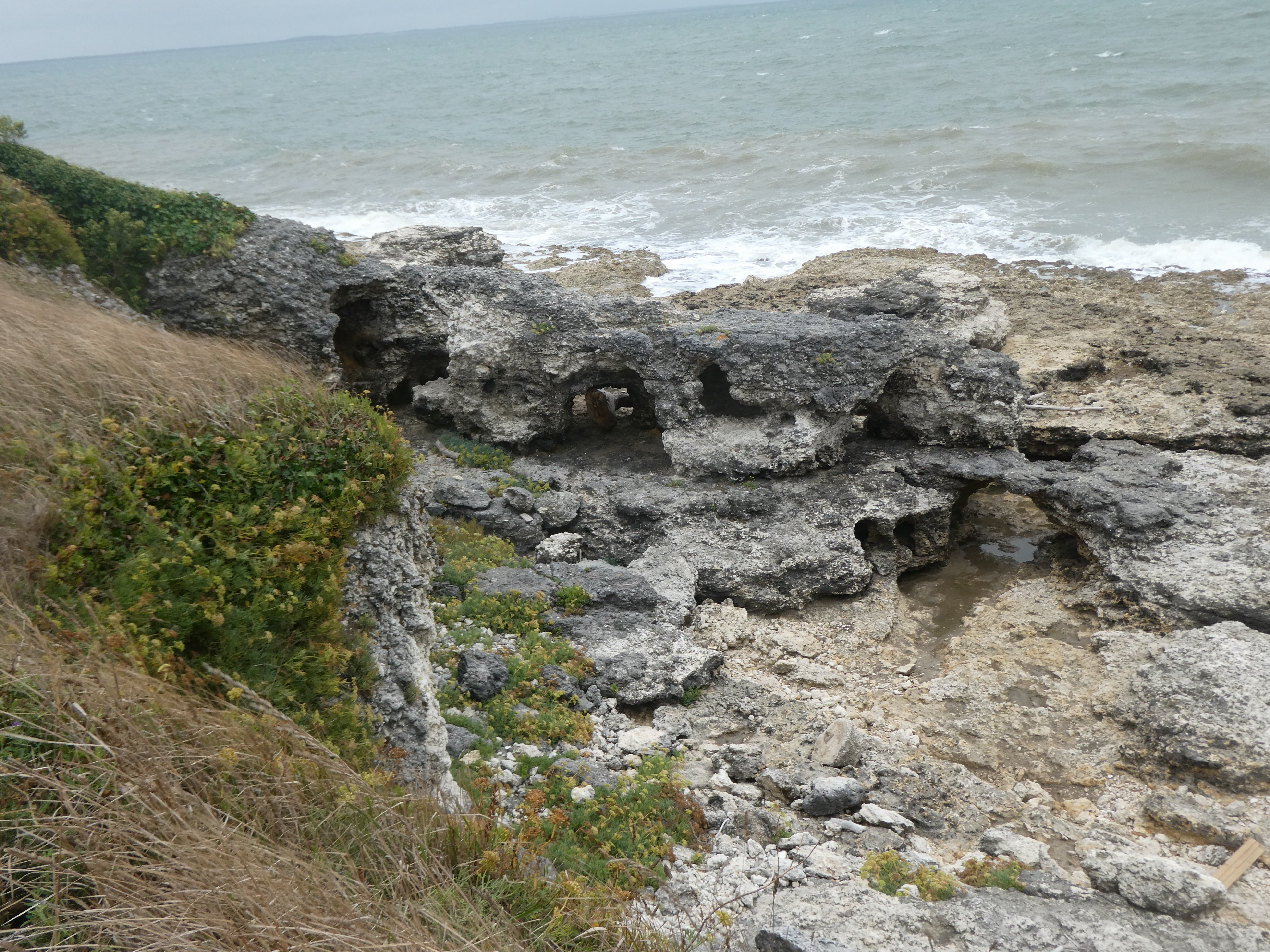
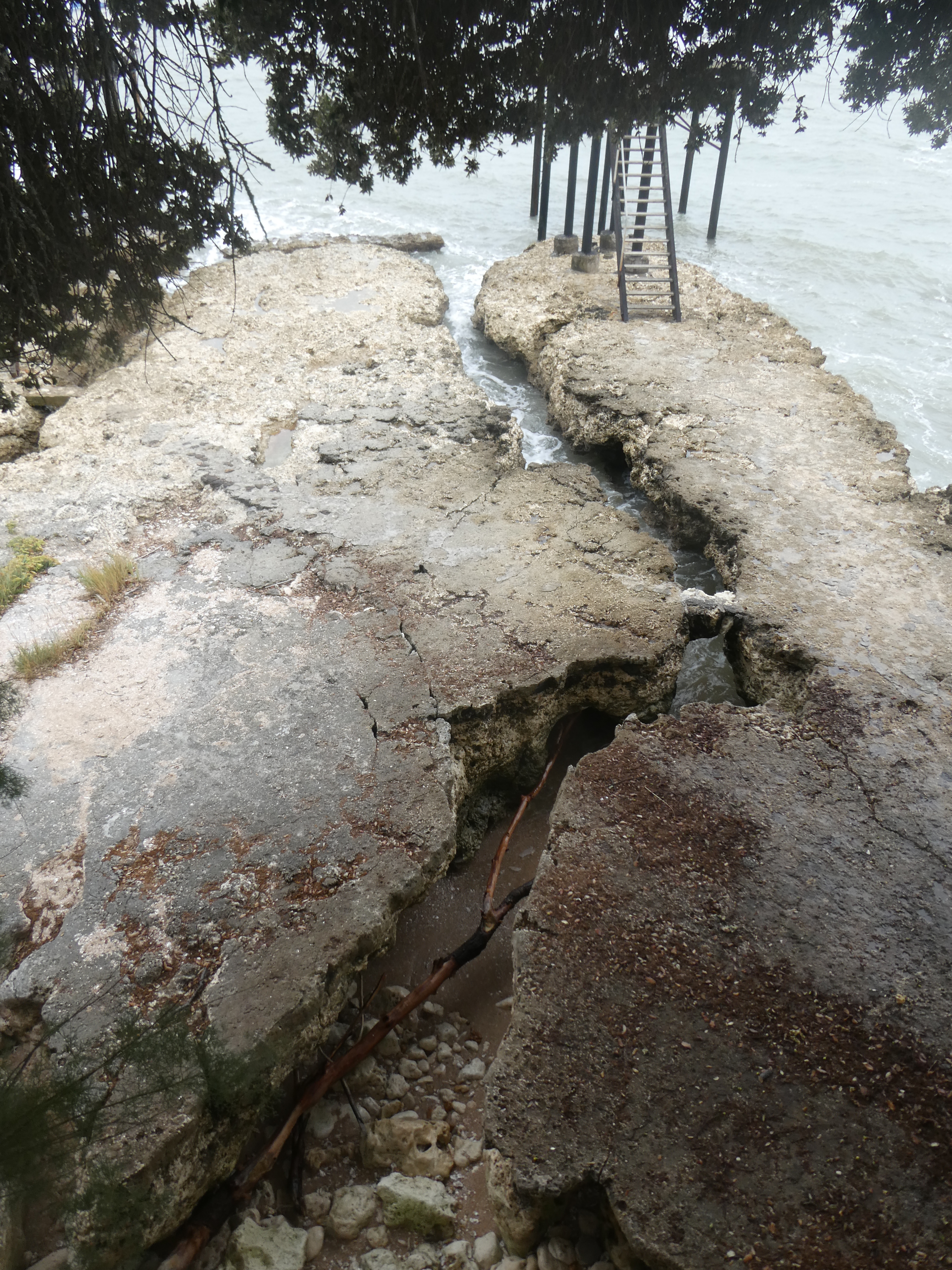
Sadly, then, none of these meetings with garden wildlife were to be recorded on camera. So the photos are of their habitats and surroundings instead!

Novels by Jane Deans [Grace]: The Year of Familiar Strangers and The Conways at Earthsend. Visit my website: janedeans.com

Blind Date

“Erica, is it?”

“Yes; Hello and you must be Roger.”

“That’s me! Roger the Dodger! Not really-just my bit of fun. What can I get you, Erica? Glass of champagne? You do like champagne, I hope?”

“Just a small glass of white, please. I do drink champagne but only on special occasions. Pinot Grigio is fine.”

“So what are you saying? This is not a special occasion, is that it?”

“Oh no, of course I didn’t mean…”

“Don’t worry love. I’m not offended. I’m only having a laugh. A glass of your best Pinot for the lady, my man, and I’ll have a single malt, no ice.

Did you find this place alright, Erica? Didn’t get lost?”

“No. I am familiar with the area. I have one or two friends who live around Fratton. That’s not far, is it?”

“No, but this side of the golf course is better; nicer properties. You can see my place from the first fairway. Did you notice my motor on your way in? Remember I said on the phone, look out for the Merc with the special plate-did you see it?”

“Yes. ‘RU55BIT’. Was that it?”

“That’s the one. Do you get it? RU-that’s me, Roger Urquart, then the 55-that’s meant to be two Fs. That spells RUFF. Then there is BIT. It says ‘Rough Bit’. It’s rather droll, don’t you think?

Well, Erica, what sort of things do you get up to? What ‘floats your boat’ as they say?”

“All the usual things, I suppose. I like to read, go to the theatre, see friends. I go for an occasional meal, go to the gym; but work takes up a lot of my time.”

“No special hobbies then? How’s the wine? OK?

Tell you what; I bet you’d like a spin in my little kite, wouldn’t you? It’s a thing that’s dear to my heart. She’s a Piper Cherokee, a little cracker! I don’t mean she’s got cracks in! I’m only joking! She flies like a dream. I take her over to Le Touquet some weekends. Do you like France? I can go over there for lunch and be back home for dinner. Do you like the sound of that?”

“It sounds…interesting.”

“Oh it is. It always goes down very well with the ladies. I don’t mean ‘goes down’ as in crashes! I’m jesting! You’ll soon get to know me. I’m a laugh-a-minute bloke.

Did you say you were divorced?”

“Yes, three years ago, but it is all quite amicable now and the children spend plenty of time with their father.”

“Ha! I’ve been married three times. That’s a triumph of optimism over bankruptcy, you might say! Especially now I’m young, free and single again. I get on alright with Mary, my first wife, but the other two; they’re a couple of scroungers. Gold diggers, I call them, the pair of them; always after something. If I had all the dosh I’ve spent on maintenance payments I’d be minted now. You know what Rod Stewart said? ‘I’m not getting married again, I’m just going to find a woman I don’t like and give her a house’-So true!”

“I wonder why he did get married then, if he didn’t like the woman.”

“Fancied the pants off her, I expect, if you’ll excuse the expression. Doesn’t last though, does it, Erica? ‘Once the thrill is gone’ and all that?

So have you done a lot of this Internet dating malarkey? Met many blokes yet?”

“No, you are only the third person I’ve met.”

“What was wrong with the other two then?”

“Nothing was wrong with them. They were perfectly pleasant people. There just wasn’t a connection, a spark. Perhaps I didn’t have much in common with either of them.”

“What do you reckon it is that gives you a spark? Give us a clue! If I can find out where the other two went wrong I’m in with a chance. What sort of men do you go for?”

“I like the people I meet to be well mannered, I enjoy stimulating conversation and of course a sense of humour is a very attractive quality, I think.”

“Phew! That’s lucky. I’m doing alright so far.

I must tell you, Erica that I’ve met quite a lot of ladies in this Internet game and you are by far the most attractive. In fact I’d say you are in a different league to all the other ones. For a start most are very economical with the truth where their age is concerned. Some of the ones who say they’re in their mid forties, they’re either lying or they’ve lived hard lives. Mid sixties would be nearer the mark. How’s the wine? Can I get you another?”

“I shouldn’t have another, thanks. I can’t be late or drink too much. I have an early meeting to get to in the morning.”

“Soft drink then or a coffee?”

“I won’t, thank you. I must be getting home.”

“What a shame! We should have met up at the weekend. We’d have had more time to get to know each other. Still, there’s always next time. When are you free? I’ll take you up in my little plane; show you my joystick! Boom boom!”

“It is a tempting offer, Roger, but I’m going to decline. If I have to be honest I don’t really think I’m your type. I wish you luck with your future Internet dating though, and thanks for the drink.”

“Ah well, you can’t win them all. I can’t say I’m not disappointed, but you know my number if you change your mind. It was lovely meeting you. Don’t forget your coat, love. Bye bye.

It’s your loss.”

Novels by Jane Deans [Grace]: The Year of Familiar Strangers and The Conways at Earthsend. Visit my website: janedeans.com

Driving them Crazy

The first thing Millicent Blake sees when she opens her eyes is a large, black and white face, gazing back at her through the window. Millie gasps, horrified. She and the Friesian cow, [for that is what the owner of the face is] stare at each other for a few moments before the cow loses interest and shuffles away, back to snatching up mouthfuls of grass.

Millie moves her head and winces as a spasm of pain engulfs her neck and shoulder. Realisation begins to dawn. She’s in the car, in the passenger seat. Somehow the car has got into a field. She tries to look forwards, through the windscreen, which is shattered, although the fragments of glass have stayed in position. Grimacing, she makes a huge effort and turns to her right. Geoffrey! Geoffrey is sandwiched between his air bag and the seat back and does not appear to be conscious, though his eyes are open and staring directly at her.

How did they get here, to the middle of this field? Millie’s head hurts too much to think. She’s aware that she needs to do something; to try and call out or move and retrieve her phone from…somewhere? But neither of these tasks seem possible. She wonders if Geoffrey is even alive. Her voice, when she attempts to call his name, only amounts to a hoarse croak. Surely someone will come to help them. Won’t they?

In the old days, when they were newlyweds and then young parents, Millie hadn’t noticed Geoffrey’s driving technique. They couldn’t have been much different as drivers; either he hadn’t been reckless and bad-tempered behind the wheel, or she hadn’t noticed. And he hadn’t been so critical of her, either. He hadn’t nagged her to overtake, to take chances, hadn’t whinged that she was too slow, or made her go backward and forward until she was perfectly parked. She’d never liked driving his car, finding it too big and too powerful. The gears were stiff, the seat difficult to adjust. She preferred her own small automatic with its quiet engine and maneuverability.

If she’d had her way, once they’d retired, Millie would have liked to have ditched the cars altogether and used public transport, But Geoffrey was outraged at the very idea, going to the other extreme and spending a great deal of their retirement savings pot on a state-of-the-art Land Rover Discovery, which barely fitted in their driveway and meant that her little Toyota had to live out on the road, exposed to scrapes and theft.

If anything, the cars were a metaphor for their forty five year old marriage. Since retiring, Geoffrey had become bullish and bigoted in ways he’d never been when younger. He shouted at the television news, refused to queue for anything, was rude to restaurant staff and neglected to thank anyone for anything. Just as when driving, he swapped motorway lanes to get ahead, tailgated other vehicles and swore or gesticulated at fellow drivers.

Millicent wrenches her head round again to look at him. She has no sense that he was breathing, though he appears to be uninjured. There isn’t a mark on him, unlike herself. She can see blood trickling down both her arms and her legs seem to be arranged at an unnatural angle. She shudders and closes her eyes, only to be jerked awake by her door being yanked open and a ruddy, shouting face intruding into her space. The face shouts, calls her ‘Love’. What’s her name? She’s told to keep still, as if she had an option.

Geoffrey’s door is yanked at but will not open.

After what feels like an eternity, Millie is lifted out of her seat and placed on a trolley then rolled into an ambulance. She’s no idea when it arrived and no memory of hearing a siren. Various procedures are done to her. At some point she asks about Geoffrey and is told not to worry about it now.

It’s June. Six months have passed since the accident. Millie’s collar bone has healed and she’s suffered no ill effects from the leg injuries. She steps off the coach at Heathrow, takes her case from the luggage compartment and walks into the terminal. She joins a queue for baggage drop, waiting quietly, a small smile of anticipation on her lips. Free of the case, she goes to security and chats to someone next to her while she waits, then goes through, along the path past duty free and on to find a cafe for some brunch. Then she’ll peruse the airport shops until ‘go to gate’ appears.

Aah! Life without Geoffrey…
Novels by Jane Deans [Grace]: The Year of Familiar Strangers and The Conways at Earthsend. Visit my website: janedeans.com

Wet Winchester

So it’s rained pretty much every day since 2026 began, a relentless, sodden late winter that has encompassed all forms of precipitation, from drizzle to storm, from mizzle to squalls. As yet, nowhere in Europe has warmed enough to be escaping to sunshine, so the only thing is to find indoor things to do. To this end, we decide to make a visit to an interactive exhibition in a nearby city.

A visit to Winchester, a little north of us in the county of Hampshire, is always a delight. It is beautiful, historic and elegant, has many interesting sights and boasts a lot of lovely restaurants, cafes and pubs. We could get there by train very easily in about 45 minutes, except that rain and more rain has disrupted the railway, causing delays and cancellations.

Husband suggests we do a cheeky overnight stay, which I’m not about to argue with and he finds a ‘pub with rooms’ in the city centre with parking nearby. Winchester is one of those cities with a complicated one way system and not a great deal of convenient car parks, so this will do nicely. Maybe we’ll look at some more things in Winchester, although we have seen all the obvious sights on previous occasions.

After driving round and round the one way system in an abortive attempt to find the nearby car park, we do locate the entrance- only for a while though, because the science centre is outside of Winchester, a car journey away. We park and check into the Westgate Hotel- part of the Youngs Brewery chain. I need hardly say that it’s raining. We won’t be doing too much wandering outside.

The Westgate is charming with a tasteful decor, although our room is up several flights of steep, narrow stairs, which do my arthritic hip no favours. The room, however is dinky and has a great view of the castle.

There’s only time to drop the bags then we must collect the car and set off for the science centre, hindered by traffic, rain and the huge road works en route. The rain continues as we park and enter the centre- only just in time as it happens, because the show is starting and there don’t seem to be any empty seats. We’re in the planetarium part, projections circling on the domed ceiling. We’re taken through Van Gogh’s early life through his paintings then progress onwards through his various locations.

I’m very excited to see Arles and Saint Remy portrayed, as these are both places in the south of France where we have stayed and both beautiful in their own ways. By the time he got to Saint Remy, poor Vincent was suffering with his mental illness, his painting obsession having driven him, quite literally, mad; so that he needed to stay in an asylum. All in all, it’s enjoyable, although probably not the best value for the price.

When we exit, the rain is still plummeting [of course]. Rather than trudge round town, we opt to stay in the cosy Westgate, whose restaurant is perfectly good with a few menu options well cooked.

Next morning the rain has slowed to drizzle with a few bright intervals so we pack up and dump bags in the car then go to the ‘Arc’ cultural centre where I’m sure there’s a William Morris exhibition, except there isn’t, because it finished yesterday…

So it’s coffee, a short stroll to the cathedral and home….

Novels by Jane Deans [Grace]: The Year of Familiar Strangers and The Conways at Earthsend. Visit my website: janedeans.com